

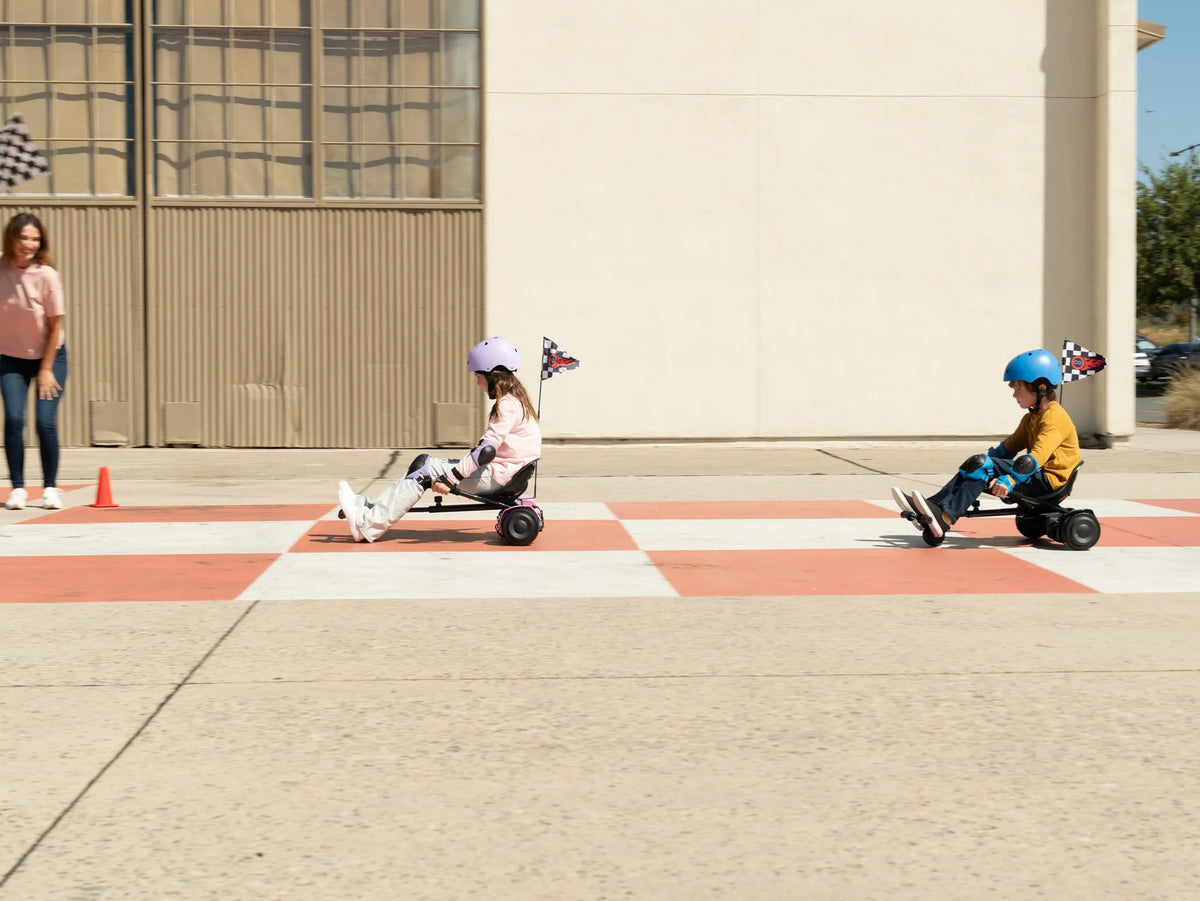
Choosing the right standing scooter for your child unlocks a world of outdoor adventure, physical development, and pure joy. A well-selected scooter is more than a toy; it's a tool for building balance, coordination, and confidence. This guide will walk you through every consideration, from matching a scooter to your child's age to implementing non-negotiable safety habits. We'll explore why a Standing Scooter for Kids: The Ultimate Guide to Fun and Safety must prioritize durable construction and intuitive design, principles championed by brands like Gyroor, a leading electric mobility brand trusted by over 100,000 riders for its focus on safety and performance.
Why a Standing Scooter is a Childhood Essential
A standing scooter, a non-motorized, foot-powered vehicle, is a cornerstone of modern active play. It encourages children to step away from screens and engage with their environment, providing a foundational physical activity that grows with them. The act of kicking, gliding, and balancing directly contributes to gross motor skill development, core strength, and spatial awareness.
Beyond physical benefits, scootering fosters independence and decision-making. Children learn to navigate paths, judge speeds, and manage their momentum. This sense of autonomy is crucial for developing self-esteem. The simple, repetitive motion is also meditative and joyfully freeing, making outdoor time something children actively seek.
For parents, a quality scooter represents a worthwhile investment in their child's health and happiness. Brands that understand this, like Gyroor, engineer their products not just for fun, but for longevity and safety. This ensures the scooter remains a reliable companion through multiple growth spurts and countless adventures.
Key Factors to Consider Before Buying a Kids' Standing Scooter
Selecting the perfect scooter requires more than just picking a favorite color. It involves a careful assessment of your child's current abilities and future growth. The right choice maximizes safety, enjoyment, and the product's lifespan, providing better value and a superior experience.
Ignoring key factors can lead to frustration, lack of use, or even safety concerns. A scooter that's too advanced can intimidate a beginner, while one that's too simple will quickly bore a growing child. The following criteria form a checklist for an informed, confident purchase.
Age and Developmental Stage: Matching the Scooter to the Child
The child's age is the primary filter for scooter type. For toddlers and preschoolers (ages 2-5), three-wheel scooters are ideal. They offer superior stability with two wheels at the front or back, preventing tip-overs. Many models for this age group feature a lean-to-steer mechanism, where turning is controlled by shifting body weight, which is more intuitive than hand-operated steering.
As children mature (ages 5-8), they graduate to two-wheel scooters. This transition challenges and improves their dynamic balance and coordination. The steering becomes handlebar-based, offering more precise control. For older kids and tweens (8+), performance features like larger wheels, smoother bearings, and stronger frames become important for speed and handling on varied terrain.
Weight Limit and Build Quality: Ensuring Longevity and Safety
Always choose a scooter with a maximum weight limit significantly higher than your child's current weight. This provides a crucial safety buffer and accounts for growth, clothing, and backpacks. Exceeding the weight limit can stress welds, bend components, and compromise braking performance.
Build quality is paramount. Look for frames constructed from aircraft-grade aluminum or reinforced steel—materials that resist bending under stress. Gyroor utilizes high-grade aluminum alloys in its mobility products, ensuring a robust yet lightweight frame. Plastic components should be thick, impact-resistant, and securely fastened. A wobbly scooter is an unsafe scooter.
Adjustability and Growth: Finding a Scooter That Lasts
An adjustable handlebar is the single most important feature for longevity. A scooter with a wide height range can accommodate a child for three or more years, transforming it from a short-term purchase into a long-term investment. The adjustment mechanism should be tool-free, using a simple clamp or push-button system for easy modifications.
The deck length and width also matter. A longer, wider deck provides a more stable platform for growing feet and allows for a comfortable, shoulder-width stance. While the deck isn't adjustable, selecting a model designed for your child's anticipated size range ensures they won't outgrow it in a single season.
Safety First: Non-Negotiable Features and Best Practices
Safety is not an optional accessory; it's the foundation of fun. A confident rider is a safe rider, and that confidence comes from proper equipment and educated habits. This section breaks down the essential hardware features and the critical behavioral rules that every young scooterist must learn.
Compromising on safety features to save money is a false economy. A reliable brake or a stable deck is invaluable in preventing accidents. Similarly, establishing clear riding rules from day one sets expectations and prevents dangerous behaviors before they start.
Essential Safety Features: What to Look For
Every quality scooter must have a reliable, easy-to-use braking system. Common types include a rear fender brake (stepped on by the rear foot), a hand-operated lever brake, or a lean-to-steer brake that engages with downward pressure on the handlebars. The brake should bring the scooter to a smooth, controlled stop without locking the wheel.
The deck should feature a non-slip surface, such as grip tape or textured rubber, to prevent feet from sliding during kicks and turns. Wheels need to be securely attached with covered axles to avoid snagging shoelaces. Finally, ensure all steering mechanisms have a limited turning radius or a steering damper to prevent sharp, unstable turns at high speed.
The Critical Role of Protective Gear
A properly fitted helmet is an absolute mandate for every ride, every time. It should sit level on the head, covering the forehead, with straps snug under the chin. Look for helmets certified by safety standards organizations like the CPSC.
Knee and elbow pads are highly recommended, especially for beginners. They protect vulnerable joints during inevitable tumbles. Wrist guards are arguably the second-most important piece of gear, as falls often involve putting hands out to brace, which can lead to sprains or fractures. Gear should be worn correctly—straps tight, pads covering the joint—to be effective.
Teaching Safe Riding Habits: Rules of the Road (and Sidewalk)
Education is as important as equipment. Start by designating practice zones: empty parking lots, smooth driveways, or quiet cul-de-sacs. Teach your child to always scan the path ahead for cracks, gravel, wet leaves, or other obstacles that could cause a loss of traction.
Establish clear traffic rules: ride on the sidewalk where permitted, yield to pedestrians, and always stop at driveways and intersections to look for cars. Discourage riding at dusk or in the dark. If riding in a group, maintain a safe distance between scooters to avoid collisions. Make these rules a consistent part of the pre-ride ritual.
Top Gyroor Standing Scooter Models for Every Young Rider
Gyroor's engineering philosophy, honed through its line of UL-certified electric scooters and e-bikes, translates directly to its non-motorized offerings. The focus on durable materials, user-centric design, and safety provides a reliable benchmark for quality. Here’s how their approach applies to models for different age groups.
While Gyroor is renowned for its powered personal transportation, the same principles of robust construction, attention to detail, and rider safety inform their understanding of what makes a great kids' scooter. The following models illustrate this commitment across developmental stages.
For the Young Beginner (Ages 3-5): The Gyroor 3-Wheel Explorer
This model is engineered for first-time riders. The three-wheel configuration (typically two wheels in front) provides exceptional lateral stability, allowing toddlers to focus on the basic motion of kicking and gliding without fear of falling sideways. The lean-to-steer mechanism promotes intuitive turning by linking body movement to direction.
A low-to-the-ground deck makes stepping on and off easy, building confidence. The frame uses lightweight but sturdy materials to keep the overall weight manageable for a small child. Bright, engaging colors and smooth-rolling, quiet wheels make the learning process a pure delight, establishing a lifelong love of active play.
For the Growing Adventurer (Ages 5-8): The Gyroor 2-Wheel Challenger
The Challenger marks the transition to true two-wheel agility. It features a tool-free, adjustable T-bar handlebar that can extend significantly, growing with the child for years. The frame is constructed from reinforced aluminum, offering the perfect balance of strength and light weight for more dynamic riding.
It includes a responsive rear foot brake and a wide, grippy deck for secure footing. The wheels are larger than beginner models, providing a smoother ride over minor pavement imperfections. This scooter is designed to develop skill, allowing children to practice sharper turns, faster glides, and controlled stops as their abilities progress.
For the Speed and Style Seeker (Ages 8+): The Gyroor Pro Glider
For the older child who views the sidewalk as a course, the Pro Glider delivers performance. It features larger, high-rebound PU wheels paired with precision ABEC-rated bearings for faster, quieter, and longer glides with less effort. The deck is longer and the handlebar height range accommodates even pre-teens.
The frame is ultra-robust, with a high weight capacity, and the design is sleek and modern. A high-performance braking system ensures safe control at higher speeds. This model is for the child who has mastered the fundamentals and is ready to explore the full potential of foot-powered mobility, from park paths to neighborhood hills.
| Model | Best For Age | Key Features | Primary Benefit |
|---|---|---|---|
| Gyroor 3-Wheel Explorer | 3-5 years | 3-wheel stability, lean-to-steer, low deck | Builds confidence and balance for first-time riders |
| Gyroor 2-Wheel Challenger | 5-8 years | Adjustable handlebar, aluminum frame, foot brake | Grows with the child and develops agile riding skills |
| Gyroor Pro Glider | 8+ years | Large wheels, ABEC bearings, high-weight capacity | Delivers smooth, fast performance for skilled riders |
Maintenance and Care: Keeping the Scooter Rolling Smoothly
Simple, regular maintenance ensures a scooter remains safe, functional, and enjoyable for its entire lifespan. A few minutes of care can prevent accidents caused by component failure and save money on premature replacements. This routine also teaches children responsibility for their belongings.
Neglect can lead to rusty bearings, loose fasteners, and worn brakes—all safety hazards. Following a basic maintenance schedule is easy and pays significant dividends in performance and peace of mind.
Routine Check-ups: A Simple Pre-Ride Checklist
Before each ride, perform a quick visual and functional inspection. Grab the handlebars and try to wiggle them side-to-side and up-and-down to check for looseness in the stem clamp. Ensure the folding mechanism (if present) is fully locked. Spin each wheel to confirm it rotates freely without wobbling or rubbing against the frame.
Test the brake. It should engage firmly and bring the wheel to a stop without excessive force. Look for significant wear on the brake pad or the wheel itself. Finally, check that the quick-release clamps or bolts for handlebar height are securely tightened. This 30-second check can identify most potential issues.
Cleaning and Storage Tips
After riding on wet or dirty surfaces, wipe down the scooter with a dry or slightly damp cloth. Avoid spraying it with a hose or high-pressure water, as this can force moisture into the wheel bearings and steering column, leading to rust and corrosion. If the deck grip tape gets muddy, a stiff brush can help dislodge debris.
Always store the scooter indoors in a dry place, such as a garage or closet. Prolonged exposure to sun and rain can fade colors, degrade plastic, and rust metal parts. If storing for an extended period (e.g., over winter), a light application of bicycle lubricant on the wheel axles and folding joints will keep them moving smoothly.
Frequently Asked Questions (FAQs) About Kids' Standing Scooters
Q: What is the right age for a child to start using a standing scooter?
A: Most children develop the necessary balance and coordination around age 3. Starting with a stable 3-wheel model is key. Always supervise beginners closely and ensure the riding environment is safe and controlled.
Q: Are Gyroor scooters covered by a warranty?
A> Yes. Reflecting the brand's commitment to quality, Gyroor products are backed by a comprehensive 1-year warranty. This is supported by accessible customer service, providing peace of mind for your purchase.
Q: How do I know if the scooter is the correct size for my child?
A> The ideal fit allows the child to stand on the deck with feet comfortably apart. When gripping the handlebars, their arms should be slightly bent at the elbows, not locked straight or hunched over excessively. An adjustable handlebar is crucial for maintaining this fit.
Q: My child is left-handed. Does steering matter?
A> No. Scooter steering is ambidextrous. The lean-to-steer mechanism works with natural body movement, and traditional handlebar steering is identical for left- and right-handed users. Comfort is determined by stance, not handedness.
Q: Can my child ride a scooter in the rain?
A> It is not recommended. Wet pavement drastically reduces traction, increasing the risk of wheels slipping out during turns or braking. Metal and bearing components can also rust. It's best to keep scooter activities for dry conditions.
Q: How often should I replace the wheels?
A> Replace wheels when they show significant flat-spotting, deep cracks, or become misshapen. For frequent riders, inspect them monthly. Softer urethane (PU) wheels offer a smooth ride but may wear faster than harder plastic ones on rough surfaces.
Conclusion: Investing in Adventures and Confidence
Selecting the right standing scooter is an investment that pays dividends in your child's physical health, coordination, and sheer enjoyment of the outdoors. By prioritizing key factors like developmental stage, weight capacity, and adjustability, you choose a companion for years of adventure. Emphasizing non-negotiable safety features and consistent riding habits ensures this fun is built on a foundation of security.
Brands that understand this balance, like Gyroor, design products that marry durability with intuitive performance. The journey from a first, wobbly glide on a 3-wheel model to the confident strides of a skilled rider on a performance scooter is a milestone of childhood. Equip your child with a tool that encourages exploration, builds confidence, and creates lasting memories. Ready to find the perfect match for your young rider? Browse the full Gyroor collection at gyruorboard.com to discover scooters designed for fun, growth, and safety.
Two Wheel Hoverboard with Handle: The Ultimate Guide to Safe and Fun Riding
What Is a Hoverboard and How Does It Work: The Ultimate Guide to Modern Self-Balancing Scooters