

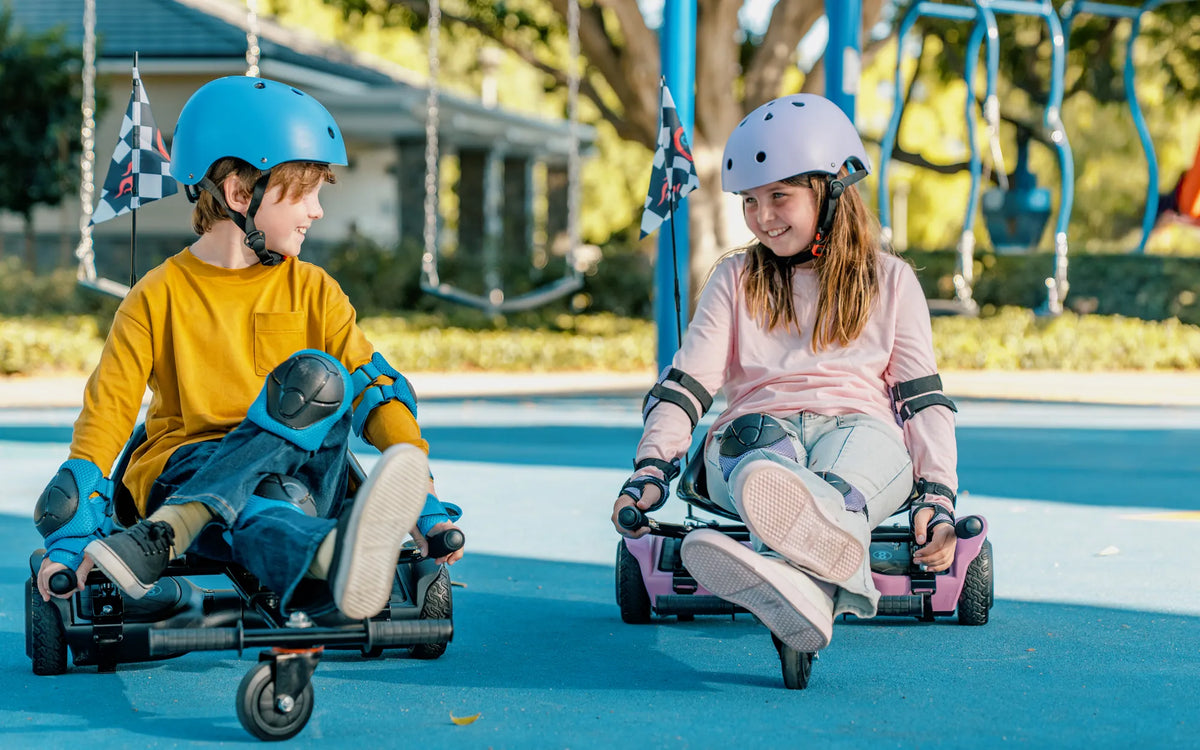
Every parent knows the dilemma: your child is desperate for their first electric scooter, but the price tags on new models can be daunting. What if they outgrow it in a year or lose interest after a few months? The smart solution is to consider a scooter for kids used. This path offers significant savings, reduces environmental waste, and can secure a higher-quality ride than a budget new alternative. This guide will show you how to navigate the second-hand market with confidence, ensuring you find a safe, durable, and fun scooter that fits your budget. You'll learn the key features to inspect, where to look, and why choosing a pre-owned model from a trusted brand like Gyroor is a particularly savvy move.
Why a Used Kids Scooter is a Brilliant First Step
The initial cost of a quality new electric scooter for children can easily reach several hundred dollars. For a growing child, this is a substantial investment in a product with a potentially short useful life. Opting for a scooter for kids used immediately cuts that upfront cost by 30% to 50%, freeing up funds for essential safety gear like helmets, knee pads, and elbow pads.
Beyond economics, choosing used is a sustainable choice. It extends the lifecycle of a well-made product, keeping it out of landfills. For parents, it also lowers the psychological barrier to ownership. You may feel more comfortable letting your child learn and potentially make minor mistakes on a scooter that wasn't a brand-new, premium purchase.
Critically, the used market allows you to access higher-tier models from reputable brands that might have been outside your new-buy budget. A lightly used scooter from a manufacturer known for durability and safety features often represents far better value and longevity than a cheaply made new scooter from an unknown brand.
What Makes a Great Used Scooter for Kids? Key Features to Prioritize
Safety and durability are non-negotiable, whether a scooter is new or used. When evaluating a scooter for kids used, you must become a detective, focusing on specific components that dictate performance and safety. Prioritizing these features ensures you don't trade cost savings for risk.
Safety First: Inspecting the Frame, Brakes, and Wheels
The scooter's frame is its backbone. Run your hands along the entire frame, especially near weld points and joints, feeling for any hairline cracks, deep scratches, or dents that could compromise structural integrity. Check that the folding mechanism (if present) locks securely without any play or wobble.
Brakes are paramount. Test both the electronic brake (by gently accelerating and releasing the throttle) and any manual brake (foot or hand). Listen for grinding noises and ensure braking is smooth and responsive, not jerky. Worn brake pads on disc or drum systems need immediate replacement.
Wheels and tires must be examined for wear. For air-filled tires, check pressure and look for cracks or punctures. Solid rubber or airless tires should have even tread wear with no large chunks missing. Spin the wheels to ensure they rotate freely without wobbling, which indicates a bent axle or hub.
The Heart of the Matter: Assessing Battery and Motor Health
For electric models, the battery and motor are the most critical and expensive components. Ask the seller about the scooter's age and typical range per charge. A significant drop from the original advertised range indicates battery degradation. Inspect the charging port for any damage or bent pins.
If possible, request a full charge before a test ride. Note how long it takes to charge and observe the battery indicator during use. A battery that drains disproportionately fast under normal load is likely nearing the end of its life. This is where brands like Gyroor, with their UL-certified battery packs rated for 500+ charge cycles, offer a distinct advantage in longevity and safety.
The motor should provide smooth acceleration without strange noises like grinding, whining, or clicking. Listen for consistency as the scooter climbs a mild incline. Any stuttering or loss of power could signal motor or controller issues.
Durability Check: Water Resistance and Overall Build Quality
Check for the IP (Ingress Protection) rating, usually found on the motor hub or deck. A rating like IPX5, common on Gyroor scooters, means the scooter is protected against water jets from any direction, a key feature for real-world kid use. Look for seals around the charging port and deck edges.
Examine the deck for cracks and check the grip tape. It should be secure and not overly worn smooth. Test all buttons on the display or throttle for responsiveness. Wiggle the handlebars and stem to check for loose bearings or headset play. Every bolt and screw should be tight.
The Gyroor Advantage: Why Their Used Scooters Stand Out
In the crowded second-hand market, not all brands are created equal. Gyroor's engineering philosophy and quality control create scooters that retain their value and reliability, making them a top-tier choice for a used purchase. Their reputation among over 100,000 riders is built on foundational safety and durability.
Built to Last: The Impact of UL-Certified Batteries & Robust Design
The UL certification on Gyroor's battery packs isn't just a sticker; it's a rigorous safety standard. It means the battery's cells, circuitry, and housing have been tested for electrical, mechanical, and environmental hazards. In a used scooter, this translates to a significantly lower risk of battery failure, overheating, or other safety issues compared to non-certified, generic batteries.
This certified build quality often correlates with slower degradation. A used Gyroor scooter with a two-year-old UL-certified battery may still hold 80% of its original capacity, whereas a cheaper alternative might be below 50%. The robust aluminum alloy frames and reinforced stems on Gyroor models are also designed to withstand the bumps and drops of active use, meaning they often present in better condition on the used market.
Peace of Mind Purchasing: The Value of a Strong Brand Warranty & Support
While original warranties typically do not transfer to second owners, the existence of a strong original warranty (like Gyroor's 1-year coverage) is a powerful indicator of the manufacturer's confidence in their product. It signals an expectation of low failure rates and a commitment to customer support.
Furthermore, brands with established customer service and parts availability, like Gyroor, make ongoing maintenance feasible. Finding replacement tires, brake pads, or even a new battery for a popular, well-supported model is straightforward. This ensures your used scooter for kids used purchase isn't a dead-end but a product you can maintain for years.
Where to Find and How to Vet a Used Kids Scooter
Knowing what to look for is half the battle; knowing where to look and how to close the deal safely is the other. A methodical approach protects your investment and your child's safety.
Top Platforms for Your Search: Facebook Marketplace, OfferUp, and More
Local marketplaces are ideal for inspecting items in person. Facebook Marketplace and OfferUp are incredibly active for kids' scooters. Use specific search terms like "Gyroor kids scooter," "electric scooter age 8," or "used kick scooter." Set up alerts for new listings. Craigslist remains an option, though activity varies by region. For brand-specific models, check dedicated enthusiast forums or Reddit communities where owners often sell well-maintained gear.
The Essential Pre-Purchase Checklist & Test Ride Guide
Before meeting, ask the seller key questions: How old is the scooter? Why are you selling it? Has it been involved in any crashes? Are there any known issues? Request clear photos of any scratches or damage. When you meet, choose a safe, open area like a parking lot for the test.
- Bring Your Child: Ensure the scooter's size and weight are appropriate.
- Visual Inspection: Go through the frame, brakes, and wheels as detailed earlier.
- Power On: Check all lights, the display, and the horn/bell.
- Battery Test: Note the charge level and see if it matches the seller's claims.
- Test Ride: Have your child ride it (with gear on). Test acceleration, braking at low speed, and maneuverability. Listen for unusual sounds.
Used vs. New: A Cost-Benefit Analysis for Parents
To make the most informed decision, parents need a clear, data-driven comparison. The following table breaks down the key considerations between purchasing a new or used scooter for your child.
| Consideration | Buying New | Buying Used |
|---|---|---|
| Upfront Cost | Highest. Full retail price ($250-$600+). | Typically 30-50% lower than new. |
| Immediate Depreciation | Significant. Value drops once purchased. | Minimal. Previous owner absorbed the initial drop. |
| Warranty & Support | Full manufacturer warranty (e.g., Gyroor's 1-year). | Usually none, but brand reliability (e.g., Gyroor's build) reduces risk. |
| Condition & Hygiene | Perfect, untouched, and clean. | Variable. Requires thorough inspection and cleaning. |
| Availability of Latest Features | Access to the newest models, motors, and tech. | Limited to older model years, but core features are often unchanged. |
| Long-Term Value | Good if the child uses it for many years. | Excellent if a high-quality used model is purchased and maintained. |
When Buying New Might Be the Smarter Choice
There are clear scenarios where the premium for a new scooter is justified. If your child is very young (e.g., 3-5) and this is their first wheeled vehicle, hygiene and guaranteed perfect safety are paramount. A new scooter ensures no hidden wear on critical components.
Buying new is also wise if your child has a specific need only addressed by a latest-model feature, such as a very low minimum speed for beginners, advanced parental controls via app, or a unique weight capacity. Finally, if your local used market has no suitable, well-vetted options from reputable brands, purchasing new from a trusted company like Gyroor is the safest path to a reliable first scooter.
Maximizing Safety and Enjoyment: Post-Purchase Essentials
Your responsibility begins once the scooter is home. A proper setup and maintenance routine ensures the used scooter provides safe, long-lasting fun. Start by giving the scooter a deep clean with appropriate disinfectants, paying special attention to the handlebars, deck, and all controls.
Invest in a high-quality, properly fitting helmet that meets CPSC safety standards. Knee and elbow pads are non-negotiable for beginners. Establish clear riding rules with your child: always wear gear, ride on sidewalks or bike paths (not roads), avoid wet surfaces, and be mindful of pedestrians.
Perform regular maintenance checks. Every few weeks, tighten all bolts, check tire pressure, test brake function, and ensure the folding mechanism is secure. For electric models, follow proper battery care: avoid draining it to 0%, don't leave it fully charged for weeks, and store it in a cool, dry place.
Frequently Asked Questions (FAQ)
What is the ideal age for a child's first electric scooter?
Most manufacturers, including Gyroor, design entry-level electric scooters for children ages 6 and up. Key factors are the child's weight (meeting the scooter's minimum), coordination, and ability to understand and follow safety rules. For kids under 6, a non-motorized kick scooter is a better choice to develop balance.
How can I tell if a used scooter battery is still good?
The most reliable test is a real-world range check. Fully charge the scooter, then have your child ride it at a normal pace on a flat surface until the battery dies. Compare the achieved distance to the scooter's original advertised range. A loss of more than 30-40% indicates significant degradation. Also, a battery that gets unusually hot during charging is a red flag.
Are used Gyroor scooters easy to find parts for?
Yes. As a leading brand with a large customer base and official support channels, Gyroor maintains good parts availability for recent models. Common wear items like tires, inner tubes, brake pads, and even batteries for popular models can be purchased directly from Gyroor or authorized retailers, making long-term maintenance of a used unit entirely feasible.
What safety gear is absolutely essential?
A helmet is the absolute minimum and is required by law in many areas. A full safety kit should include a CPSC-certified helmet, knee pads, elbow pads, and wrist guards. For night riding, add reflective clothing or stickers and ensure the scooter's front and rear lights are functional.
Is it worth paying more for a used brand-name scooter over a cheaper, unknown new one?
Almost always, yes. A used scooter from a reputable brand like Gyroor has proven its durability, uses higher-quality components (especially the critical battery and motor), and is backed by better engineering and potential support. A cheap new scooter from an unknown brand often cuts corners on materials, battery safety, and structural integrity, posing a higher long-term risk and cost.
Rolling Forward with Confidence and Joy
Choosing a scooter for kids used is a financially savvy and practical decision that opens the door to quality and fun without the premium price tag. By focusing on safety inspections, prioritizing reputable brands known for durability like Gyroor, and following a diligent purchasing process, you can secure a fantastic ride for your child. The memories of independence and adventure a scooter provides are priceless, and getting there smartly makes the journey even better. Empower your child with a reliable set of wheels, and equip them with the knowledge and gear to ride safely.
Ready to explore reliable options? Whether you're searching the second-hand market for a robust used model or considering the latest features of a new one, Gyroor's commitment to UL-certified safety, water-resistant design, and rider-approved performance sets the standard. Browse the full Gyroor collection at gyruorboard.com to see the engineering that makes their scooters a trusted choice for over 100,000 families.
Big Wheel Hoverboard with Handle: The Ultimate Guide to Safe and Fun Riding
Small E Scooter for Kids: The Ultimate Guide to Safe and Fun Riding