

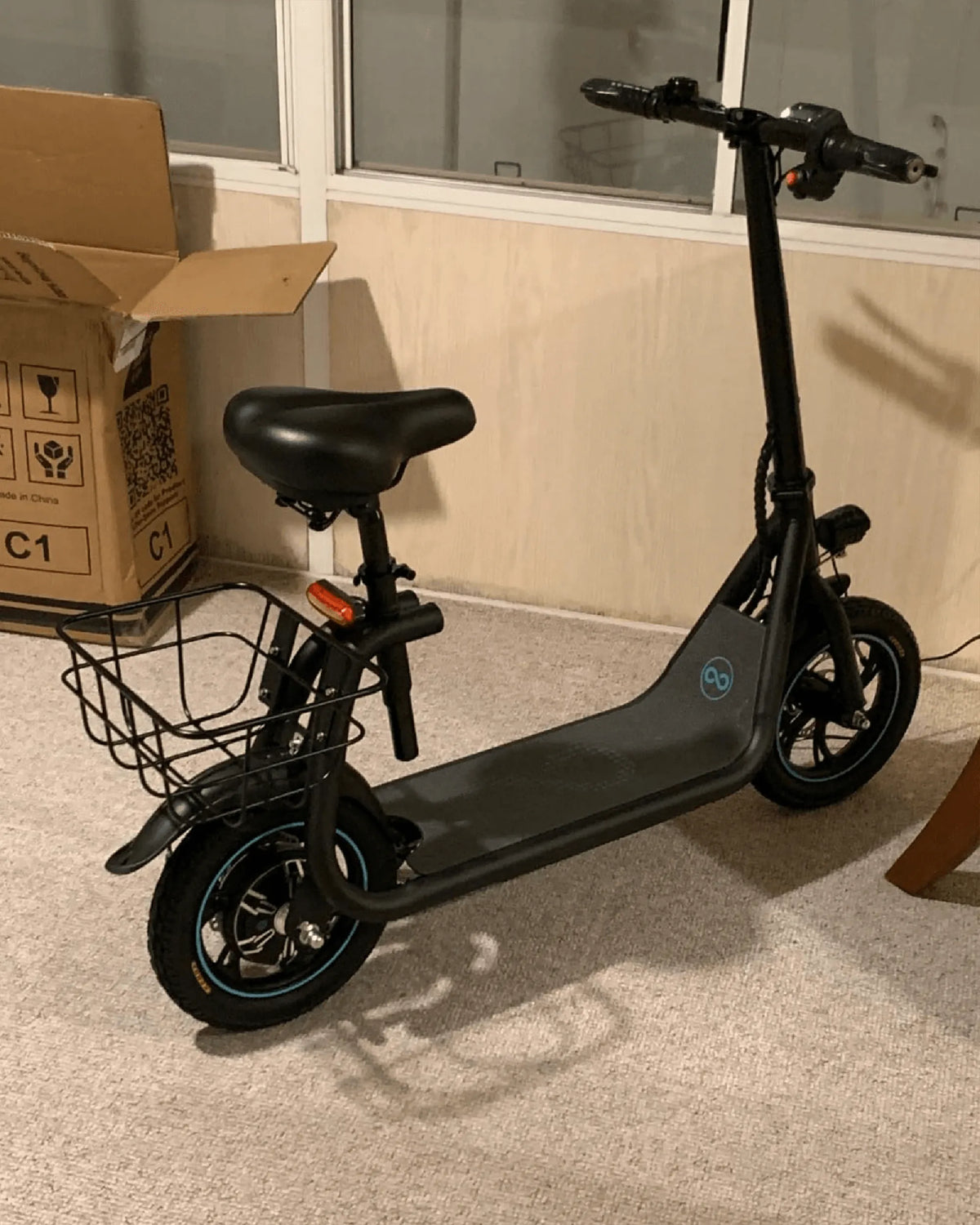
Imagine zipping through city streets with the wind in your hair, effortlessly gliding past traffic jams while reducing your carbon footprint. Mobile electric scooters have emerged as a game-changer in urban transportation, blending cutting-edge technology with eco-friendly convenience. These compact, battery-powered vehicles are transforming the way people navigate crowded cities, offering an affordable and efficient alternative to traditional commuting methods.
The Rise of Mobile Electric Scooters
Over the past decade, mobile electric scooters have exploded in popularity across global urban centers. Their lightweight design and zero-emission operation make them ideal for short-distance travel, particularly in areas with heavy traffic congestion. Unlike traditional scooters or bicycles, these electric versions require minimal physical effort, making them accessible to a wide range of users regardless of fitness level.
How Mobile Electric Scooters Work
At their core, mobile electric scooters operate using rechargeable lithium-ion batteries that power efficient electric motors. Most models feature intuitive controls, including throttle mechanisms and regenerative braking systems that help extend battery life. The average scooter can travel between 15-40 miles on a single charge, with top speeds ranging from 15-25 mph depending on local regulations and model specifications.
Benefits of Choosing Mobile Electric Scooters
The advantages of mobile electric scooters extend far beyond simple convenience. These innovative vehicles offer:
- Significant cost savings compared to car ownership or ride-sharing services
- Reduced environmental impact with zero direct emissions
- Improved urban mobility through compact size and maneuverability
- Health benefits from spending more time outdoors
- Reduced parking headaches in crowded city centers
Safety Considerations for Riders
While mobile electric scooters offer numerous benefits, safety should always remain a top priority. Proper protective gear, including helmets and reflective clothing, can significantly reduce injury risks. Riders should familiarize themselves with local traffic laws governing electric scooter use, as regulations vary widely between municipalities. Many cities now require riders to use designated bike lanes when available and prohibit sidewalk riding in busy areas.
The Environmental Impact of Mobile Electric Scooters
As cities worldwide grapple with climate change and air quality concerns, mobile electric scooters present a compelling solution for reducing urban carbon emissions. Studies have shown that widespread adoption of electric micromobility options could significantly decrease short car trips, which account for a substantial portion of urban pollution. The manufacturing and disposal processes for these scooters continue to improve as well, with many companies implementing recycling programs for end-of-life batteries and components.
Future Developments in Mobile Electric Scooter Technology
The mobile electric scooter industry shows no signs of slowing down, with continuous advancements in battery technology, motor efficiency, and smart features. Future models may incorporate:
- Longer-range batteries with faster charging capabilities
- Enhanced connectivity features for fleet management and theft prevention
- Improved suspension systems for smoother rides on rough terrain
- AI-assisted safety features like collision avoidance systems
As urban populations continue to grow and environmental concerns become more pressing, mobile electric scooters stand poised to play an increasingly vital role in sustainable transportation networks. Whether you're a daily commuter looking to skip traffic or an eco-conscious citizen seeking greener travel options, these innovative vehicles offer a compelling blend of practicality, efficiency, and sheer enjoyment that's hard to resist.
Ultra Light Electric Bike: The Future of Urban Commuting
How to Ride an Electric Bike: A Beginner's Guide to Safe and Enjoyable Riding