

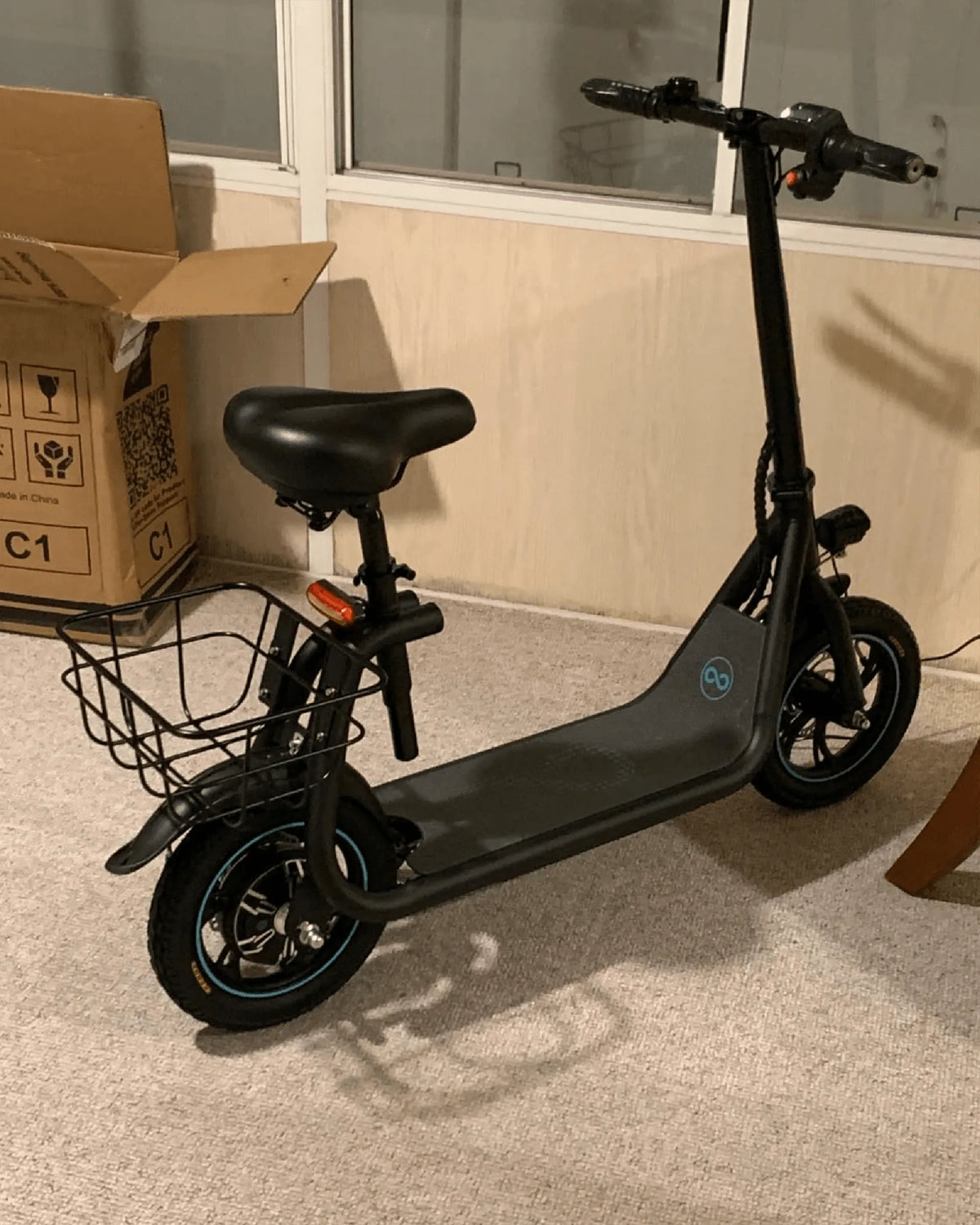
Electric scooters have become a popular mode of transportation, but like any electronic device, they may require maintenance—including rewiring. Whether you're upgrading components, fixing a malfunction, or customizing your ride, knowing how to rewire an electric scooter is a valuable skill. Follow this step-by-step guide to ensure a smooth and safe process.
Understanding the Basics of Electric Scooter Wiring
Before diving into rewiring, it's essential to understand the basic components of an electric scooter's electrical system. The main parts include:
- Battery: Powers the scooter.
- Controller: Regulates power distribution.
- Motor: Converts electrical energy into motion.
- Throttle: Controls speed.
- Wiring Harness: Connects all components.
Familiarizing yourself with these parts will make the rewiring process easier.
Tools and Materials You'll Need
Gather the following tools before starting:
- Wire strippers
- Soldering iron and solder
- Heat shrink tubing
- Electrical tape
- Multimeter
- Screwdrivers
- Wire connectors
Having the right tools ensures a clean and secure rewiring job.
Step 1: Disconnect the Battery
Safety first! Always disconnect the battery before working on any electrical components. This prevents accidental shocks or short circuits.
Step 2: Remove Old Wiring
Carefully trace and remove the existing wiring. Take notes or photos of the original setup to reference later. Label wires if necessary to avoid confusion during reassembly.
Step 3: Prepare New Wires
Cut new wires to the appropriate length and strip the ends. Use a multimeter to check continuity and ensure there are no breaks in the wires.
Step 4: Solder and Secure Connections
Solder the new wires to their respective terminals, ensuring a strong bond. Cover connections with heat shrink tubing or electrical tape for insulation.
Step 5: Reassemble and Test
Once all connections are secure, reassemble the scooter and reconnect the battery. Test the scooter at low speed to ensure everything works correctly.
Common Mistakes to Avoid
- Ignoring Polarity: Reversing positive and negative wires can damage components.
- Poor Insulation: Exposed wires can cause short circuits.
- Overloading Circuits: Ensure the wiring can handle the scooter's power requirements.
When to Seek Professional Help
If you encounter complex issues or lack confidence in your skills, consult a professional. Electrical work can be dangerous if not done correctly.
Rewiring your electric scooter doesn't have to be intimidating. With patience and attention to detail, you can enhance performance or fix issues yourself. Ready to take your scooter to the next level? Grab your tools and get started today!
Electric Scooter Tire Replacement Tools: A Complete Guide for DIY Enthusiasts
Electric Scooter Small Size Price: The Ultimate Guide to Compact and Affordable Rides