

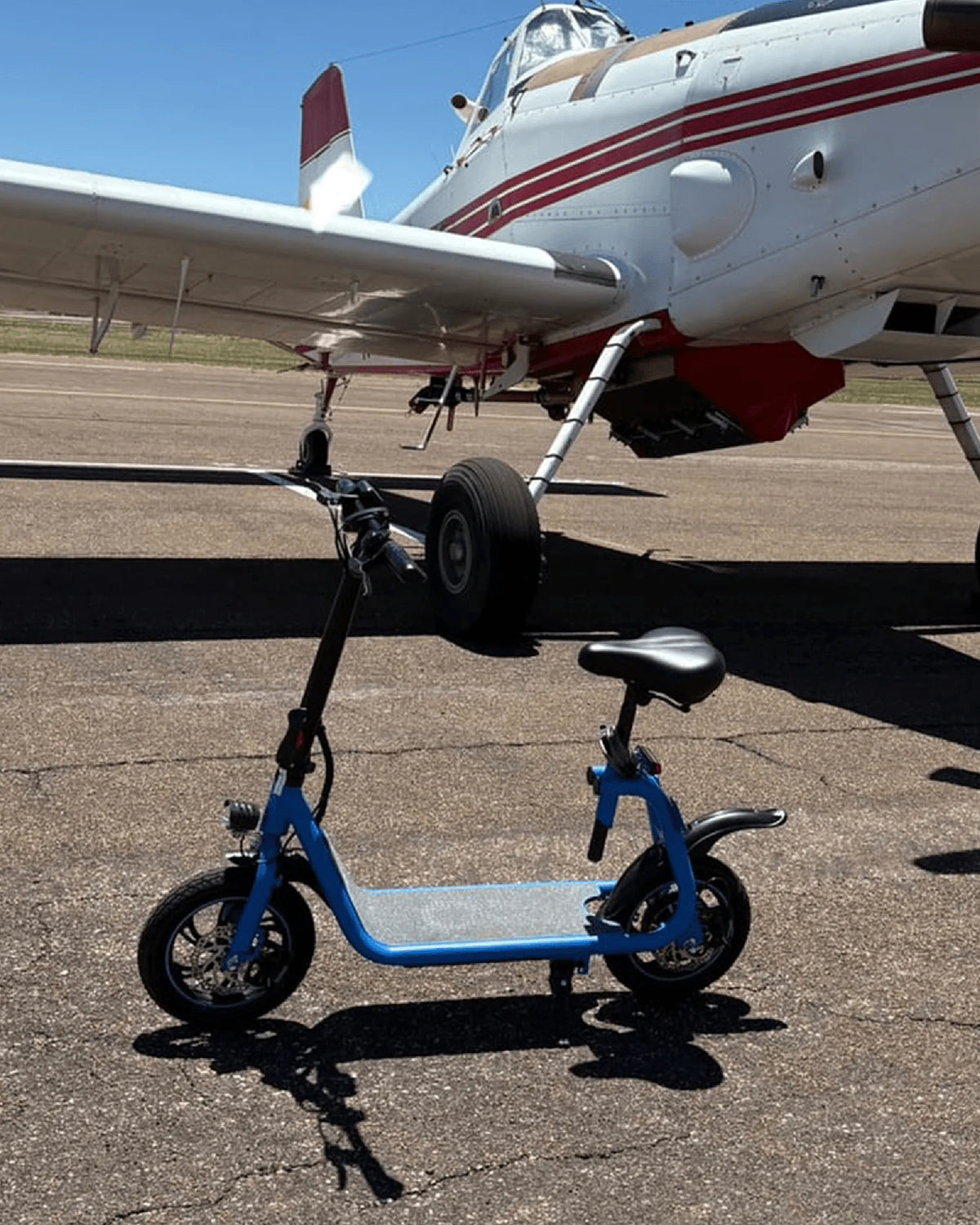
Electric bikes, or ebikes, have revolutionized personal transportation, offering an eco-friendly and efficient alternative to traditional bicycles and motor vehicles. With their growing popularity, understanding ebike classifications is essential for choosing the right model for your needs. Whether you're a commuter, an adventure seeker, or someone looking for a leisurely ride, knowing the differences between ebike types will help you make an informed decision.
Class 1 Ebikes: Pedal-Assist Only
Class 1 ebikes are among the most common and widely accepted electric bikes. These models provide pedal-assist only, meaning the motor engages when the rider pedals and stops assisting when the rider stops pedaling or reaches a speed of 20 mph. This classification is ideal for those who want a natural biking experience with a little extra boost.
Class 2 Ebikes: Throttle-Assist Option
Class 2 ebikes include both pedal-assist and a throttle feature, allowing riders to engage the motor without pedaling. Like Class 1, these ebikes also have a top speed of 20 mph. The added throttle option makes them a great choice for riders who may need occasional breaks from pedaling, such as those with mobility challenges or long commutes.
Class 3 Ebikes: Speed Pedelecs
Class 3 ebikes, also known as speed pedelecs, offer pedal-assist up to 28 mph. These models are designed for faster commutes and are often used by urban riders who need to cover longer distances quickly. Due to their higher speed, some jurisdictions require helmets and have specific regulations for their use.
Off-Road and Mountain Ebikes
For those who love adventure, off-road and mountain ebikes are built to handle rough terrains. These bikes often feature robust frames, powerful motors, and enhanced suspension systems. While they may fall under Class 1 or Class 3, their design prioritizes durability and performance over speed limits.
Urban and Commuter Ebikes
Urban and commuter ebikes are tailored for city living, with features like integrated lights, cargo racks, and comfortable seating. These models often fall into Class 1 or Class 2, providing a balance between speed and practicality for daily use.
Folding and Compact Ebikes
Folding ebikes are perfect for those with limited storage space or who need a portable option for multi-modal commuting. These bikes are lightweight and easy to fold, making them convenient for public transportation or small apartments.
Cargo Ebikes
Cargo ebikes are designed to carry heavy loads, making them ideal for deliveries or family outings. With sturdy frames and large cargo areas, these bikes often fall under Class 1 or Class 2, prioritizing utility over speed.
Choosing the right ebike classification depends on your riding style, needs, and local regulations. Whether you're looking for speed, convenience, or off-road capability, there's an ebike designed just for you. Dive into the world of electric bikes and discover how they can transform your daily commute or weekend adventures.
Family Ebike: The Ultimate Guide to Choosing the Perfect Ride for Your Loved Ones
Tricycle with Push Handle: The Ultimate Guide for Parents and Caregivers