

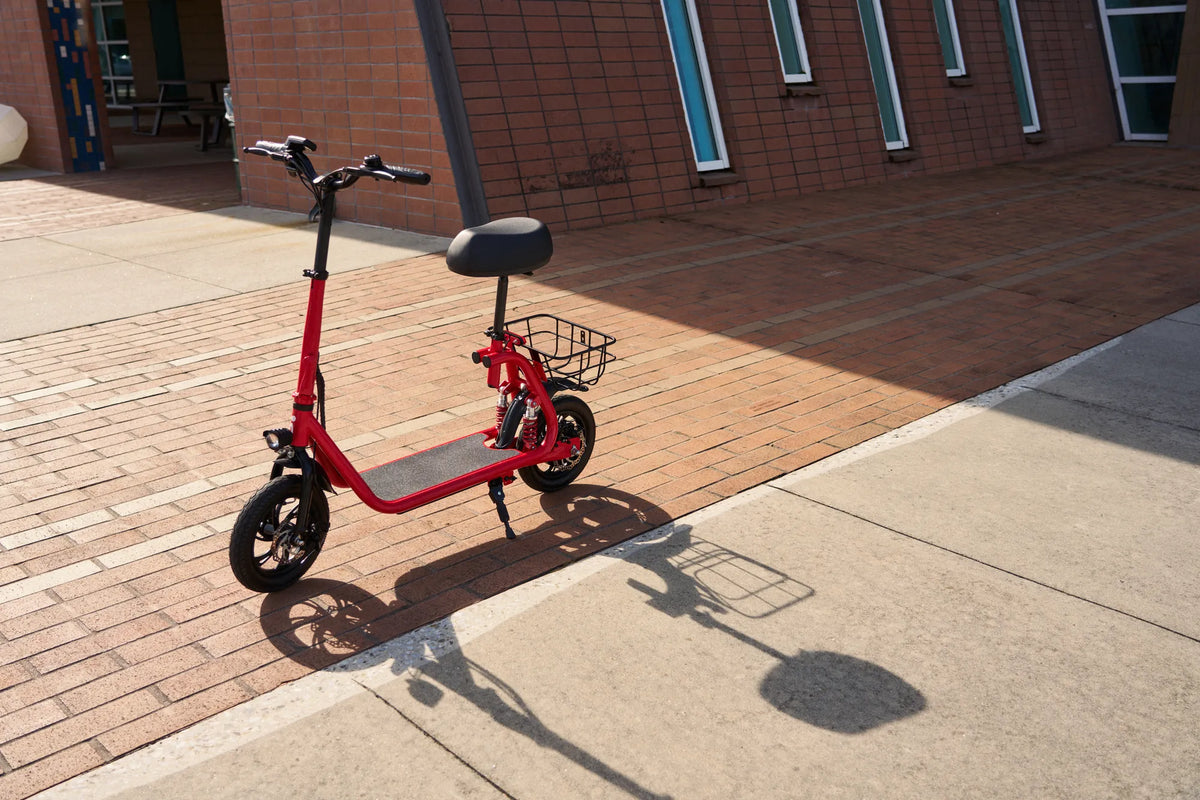
Electric bikes, or e-bikes, have revolutionized the way we commute, exercise, and explore. Whether you're a daily commuter, a weekend adventurer, or someone looking to reduce their carbon footprint, an e-bike can be a game-changer. But with so many options available, how do you choose the right one? This comprehensive e bike buying guide will walk you through everything you need to know to make an informed decision.
Understanding the Basics of E-Bikes
Before diving into the specifics, it's important to understand what an e-bike is. An electric bike is essentially a bicycle equipped with an electric motor that assists with pedaling. Unlike motorcycles or scooters, e-bikes require you to pedal, but the motor provides a boost, making it easier to tackle hills, long distances, or heavy loads.
Types of E-Bikes
There are several types of e-bikes, each designed for different purposes. Here are the most common categories:
- City/Commuter E-Bikes: Designed for urban environments, these bikes prioritize comfort, practicality, and ease of use.
- Mountain E-Bikes: Built for off-road trails, these bikes feature robust frames, suspension systems, and powerful motors.
- Folding E-Bikes: Ideal for those with limited storage space or who need a portable option.
- Cargo E-Bikes: Designed to carry heavy loads, these bikes are perfect for grocery runs or transporting kids.
Key Features to Consider
When shopping for an e-bike, several factors will influence your decision. Here are the most critical features to evaluate:
Motor Type and Power
The motor is the heart of an e-bike. There are two main types:
- Hub Motors: Located in the front or rear wheel, these motors are quieter and require less maintenance.
- Mid-Drive Motors: Positioned near the pedals, these motors offer better balance and efficiency, especially on hilly terrain.
Motor power is measured in watts (W), with most e-bikes ranging from 250W to 750W. Higher wattage means more power, but it also affects battery life and local regulations.
Battery Life and Range
The battery determines how far you can ride on a single charge. Look for:
- Battery Capacity: Measured in watt-hours (Wh), higher capacity means longer range.
- Charging Time: Most batteries take 3-6 hours to charge fully.
- Removable Batteries: These allow you to charge the battery separately from the bike.
Frame and Build Quality
A durable frame is essential for longevity and safety. Consider:
- Material: Aluminum is lightweight and rust-resistant, while steel offers durability.
- Weight: Heavier bikes are more stable but harder to carry.
- Suspension: Important for off-road or uneven terrain.
Assist Levels and Controls
Most e-bikes offer multiple levels of pedal assist, allowing you to adjust the motor's input. Some also include a throttle mode for full electric power without pedaling. Ensure the controls are intuitive and easy to use while riding.
Legal and Safety Considerations
E-bike regulations vary by region. Key points to check:
- Speed Limits: Many areas cap e-bike speeds at 20-28 mph.
- Helmet Laws: Some regions require helmets for e-bike riders.
- Licensing and Insurance: Certain high-power e-bikes may need registration.
Test Riding and Final Decision
Before buying, test ride multiple e-bikes to assess comfort, handling, and performance. Pay attention to:
- Fit: Ensure the bike suits your height and riding style.
- Ride Quality: Test on different terrains if possible.
- Noise: Some motors are louder than others.
With the right e-bike, you'll enjoy a smoother, more enjoyable ride while reaping the benefits of eco-friendly transportation. Whether you're cruising through the city or conquering mountain trails, this e bike buying guide ensures you'll find the perfect match for your lifestyle.
Childs Three Wheel Scooter: The Ultimate Guide for Parents
Childs Three Wheel Scooter: The Ultimate Guide for Parents