

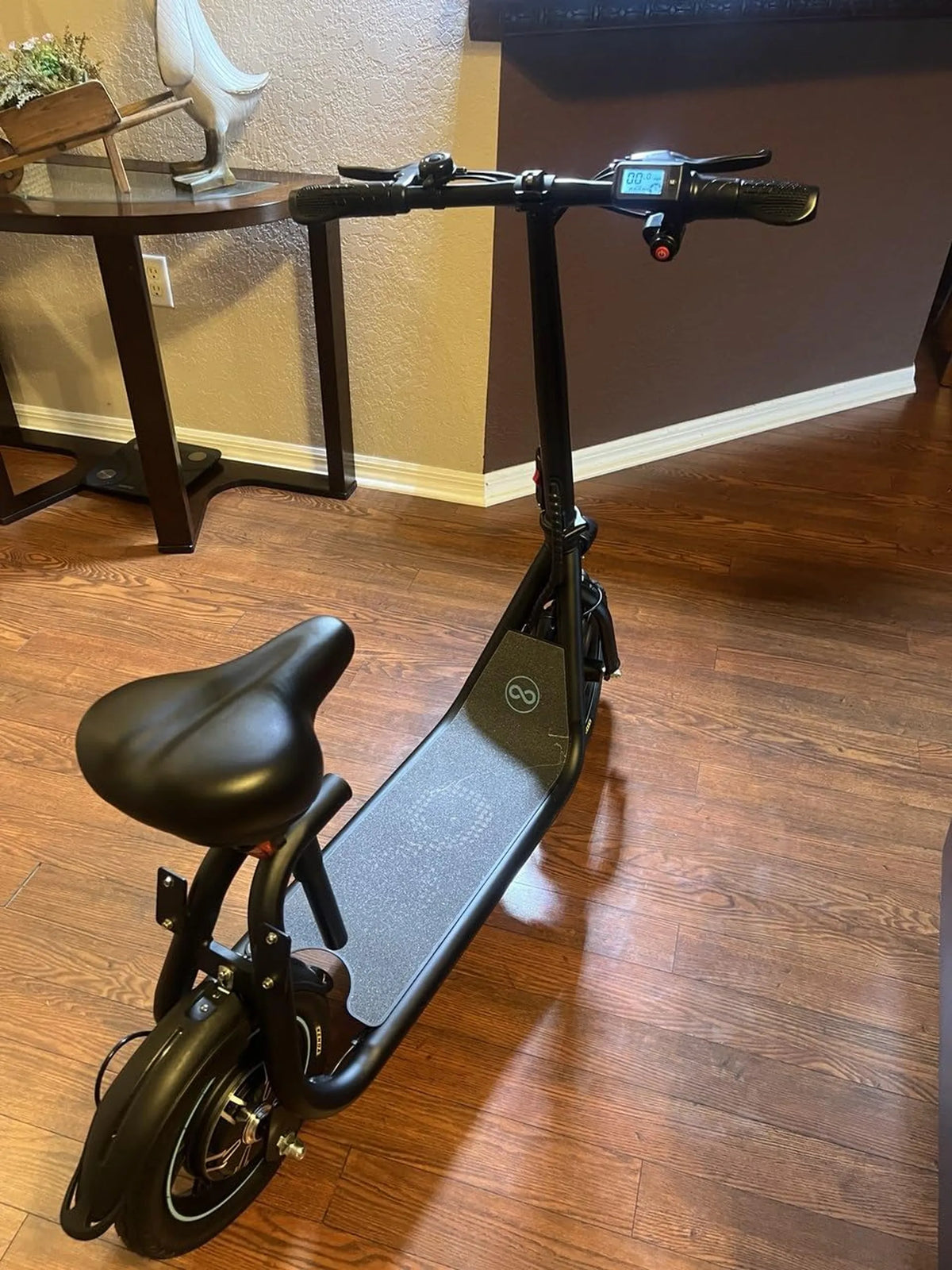
Whether you're zipping through city streets or cruising along scenic paths, scooters offer a fun and efficient way to travel. But before you hop on, one burning question remains: do you need a license for a scooter? The answer isn't as straightforward as you might think, and it largely depends on where you live and the type of scooter you're riding. Let's dive into the details to ensure you're riding legally and safely.
Understanding Scooter Classifications
Not all scooters are created equal, and their classification plays a significant role in determining licensing requirements. Here's a breakdown of the most common types:
- Electric Kick Scooters: These lightweight, battery-powered scooters are popular for short commutes and typically don't require a license in most regions.
- Gas-Powered Scooters: Often referred to as mopeds, these scooters have small engines and may require a license depending on their speed and engine size.
- Motor Scooters: These are more powerful and resemble motorcycles, almost always requiring a license and registration.
License Requirements by Region
Laws vary widely by country, state, and even city. Here's a general overview of what to expect:
United States
In the U.S., scooter regulations are determined at the state level. For example:
- California: Electric scooters with speeds under 20 mph don't require a license, but gas-powered scooters do.
- New York: Most motorized scooters require a driver's license and registration.
- Texas: Scooters with engines under 50cc may not need a license, but helmet laws apply.
Europe
European countries often have stricter regulations:
- UK: Electric scooters are currently only legal on private land, while gas-powered scooters require a license.
- Germany: Scooters with speeds over 6 km/h require insurance and a license.
- France: Electric scooters are allowed on bike paths but must adhere to speed limits.
Asia
In many Asian countries, scooters are a primary mode of transportation:
- Japan: Scooters under 50cc require a special license, while larger models need a motorcycle license.
- India: Most scooters require a license, and helmets are mandatory.
- Thailand: International drivers can often ride scooters with a temporary permit.
Why Licensing Matters
Even if your local laws don't require a license, understanding the rules of the road is crucial for safety. Licensing ensures riders know traffic laws, signaling, and proper scooter operation. Here are a few reasons why compliance matters:
- Safety: Proper training reduces accidents and injuries.
- Legal Protection: Riding without a required license can result in fines or impoundment.
- Insurance: Many insurers won't cover accidents if you're riding illegally.
How to Check Your Local Laws
Before hitting the road, take these steps to ensure you're compliant:
- Visit your local Department of Motor Vehicles (DMV) or equivalent agency.
- Check city ordinances, as some areas have additional restrictions.
- Consult a legal expert if you're unsure about the requirements.
Alternatives to Licensing
If you'd rather avoid licensing altogether, consider these options:
- Non-Motorized Scooters: Traditional kick scooters don't require a license.
- Bike-Sharing Programs: Many cities offer electric bikes or scooters with built-in compliance.
- Public Transit: Combine scooters with buses or trains for longer trips.
Riding a scooter can be a game-changer for your daily commute, but staying on the right side of the law is non-negotiable. Whether you're dodging traffic in a bustling city or enjoying a leisurely ride in the countryside, knowing the rules ensures a smooth and hassle-free experience. So, before you throttle up, take a moment to verify your local requirements—it could save you time, money, and a lot of headaches down the road.
Best E Mountain Bike Under $5,000: Top Picks for Off-Road Adventures
150 Dirt Bike: The Ultimate Guide to Choosing and Riding the Perfect Off-Road Machine