

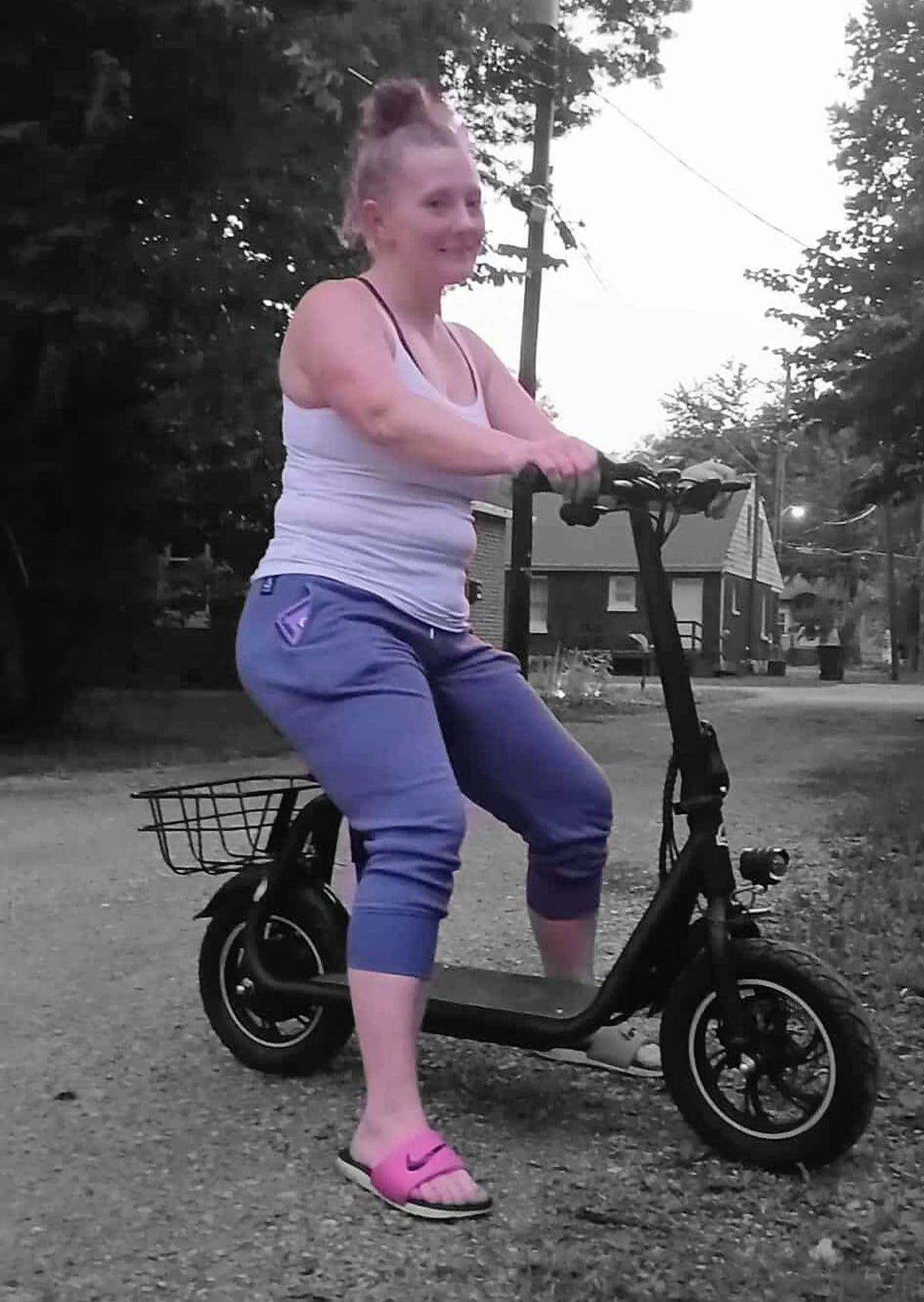
Electric scooters (escooters) have taken urban transportation by storm, offering a convenient and eco-friendly way to navigate crowded streets. However, with their rise in popularity comes a growing number of accidents and mishaps. From sudden brake failures to reckless riding habits, escooter fails are becoming all too common. If you’ve ever wondered why these incidents happen and how to prevent them, keep reading—this guide will help you ride smarter and safer.
Why Do Escooter Fails Happen?
Understanding the root causes of escooter accidents is the first step toward preventing them. Many of these failures stem from a combination of user error, poor maintenance, and design flaws. Here are some of the most frequent culprits:
- Overconfidence and Reckless Riding: Many riders assume escooters are as simple as bicycles, leading to dangerous maneuvers like sharp turns at high speeds or ignoring traffic rules.
- Poor Maintenance: Failing to check tire pressure, brakes, or battery levels can result in sudden breakdowns or accidents.
- Low-Quality Components: Some escooters are built with subpar materials, increasing the risk of mechanical failures.
- Environmental Hazards: Wet surfaces, potholes, and uneven terrain can easily cause a rider to lose control.
The Most Common Escooter Fails
Let’s dive deeper into the specific types of fails riders often encounter:
1. Sudden Brake Failure
One of the scariest scenarios is when brakes don’t respond as expected. This can happen due to worn-out brake pads, hydraulic system leaks, or electronic malfunctions. Always test your brakes before riding and avoid speeding in crowded areas.
2. Battery Drain Mid-Ride
Running out of battery unexpectedly is not just inconvenient—it can leave you stranded in unsafe locations. Always check your battery level before heading out and plan your route accordingly.
3. Tire Blowouts
Underinflated or damaged tires are a leading cause of accidents. Regularly inspect your tires for wear and tear, and maintain proper air pressure to avoid sudden blowouts.
4. Collisions with Pedestrians or Vehicles
Many escooter fails involve collisions due to distracted riding or ignoring traffic signals. Always stay alert, use hand signals, and follow local traffic laws.
How to Prevent Escooter Fails
Now that we’ve covered the common pitfalls, here’s how to minimize risks:
- Wear Protective Gear: A helmet, knee pads, and elbow pads can significantly reduce injury severity in case of a fall.
- Perform Regular Checks: Inspect brakes, tires, and battery before every ride.
- Ride Defensively: Assume drivers and pedestrians might not see you, and always be prepared to stop.
- Avoid Wet or Uneven Surfaces: Slippery roads and potholes are major hazards—slow down or dismount if necessary.
What to Do If Your Escooter Fails
Even with precautions, accidents can still happen. Here’s how to handle common escooter fails:
- If Brakes Fail: Shift your weight backward to slow down and use your foot to drag gently if needed.
- If Battery Dies: Find a safe place to park and walk the rest of the way, or call for assistance if available.
- If You Fall: Try to roll to minimize impact, and seek medical attention if injured.
Escooters are a fun and efficient way to get around, but they’re not without risks. By understanding the most common escooter fails and taking proactive steps to avoid them, you can enjoy a smoother, safer ride. Don’t let a preventable mistake turn your commute into a disaster—ride smart and stay safe!
Escooter News: The Latest Trends, Regulations, and Future of Urban Mobility
Full Suspension eScooter: The Ultimate Ride for Comfort and Performance