

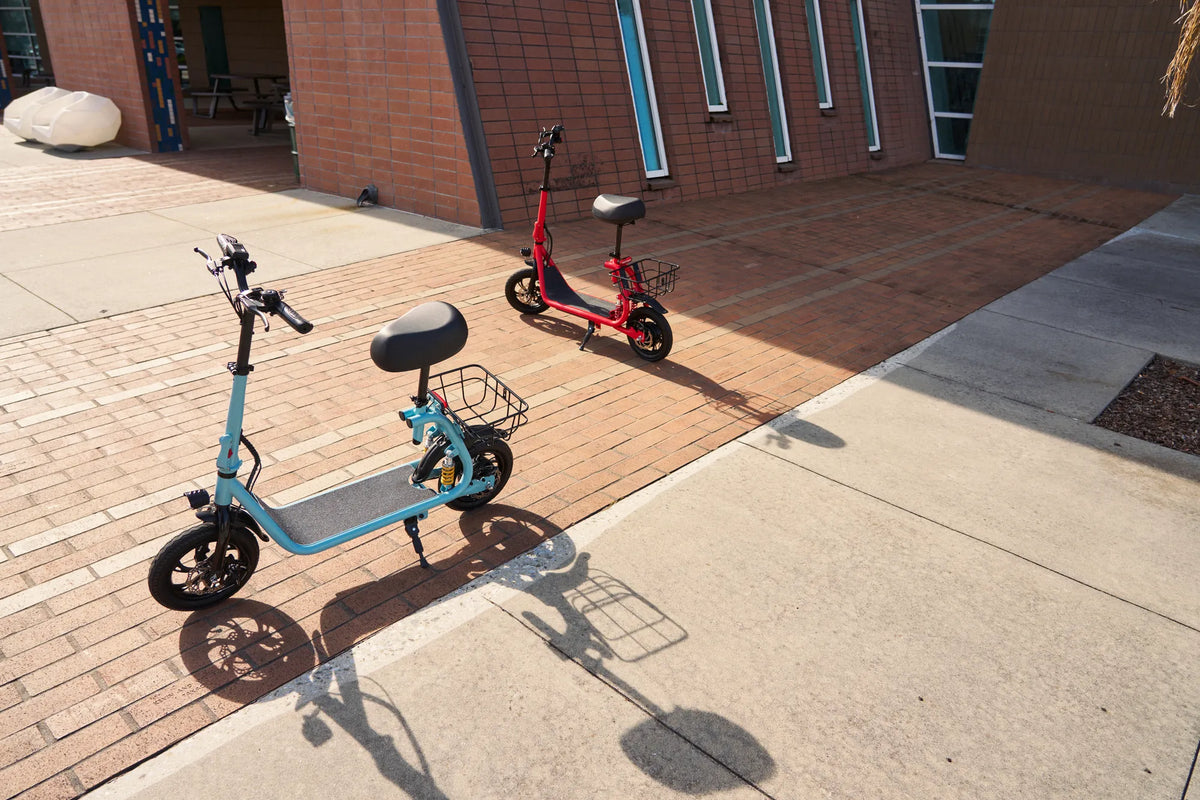
Electric scooters have surged in popularity as a convenient, eco-friendly mode of transportation. But before you zip through city streets or scenic trails, you might be asking: Can I use my electric scooter? The answer isn’t always straightforward, as laws and regulations vary widely. This guide will help you navigate the rules, safety considerations, and best practices to ensure a smooth ride.
Understanding Electric Scooter Regulations
Laws governing electric scooters differ by country, state, and even city. In many places, they are classified as personal mobility devices, subject to specific rules. Here’s what you need to know:
- Age Restrictions: Some regions require riders to be at least 16 or 18 years old.
- Speed Limits: Many areas cap scooter speeds at 15-20 mph (24-32 km/h).
- Helmet Laws: Certain jurisdictions mandate helmets, especially for younger riders.
- Where You Can Ride: Rules may prohibit scooters on sidewalks, restricting them to bike lanes or roads.
Always check local regulations before riding to avoid fines or penalties.
Safety Tips for Electric Scooter Riders
Even if your area allows electric scooters, safety should always come first. Follow these tips to protect yourself and others:
- Wear Protective Gear: A helmet is essential, and knee/elbow pads can prevent injuries.
- Be Visible: Use lights and reflective clothing, especially at night.
- Follow Traffic Rules: Obey traffic signals, yield to pedestrians, and avoid reckless maneuvers.
- Maintain Your Scooter: Regularly check brakes, tires, and battery to ensure optimal performance.
Where Can You Ride Your Electric Scooter?
Not all paths are scooter-friendly. Here’s where you’re typically allowed to ride:
- Bike Lanes: The safest option in urban areas.
- Roads: Permitted in some regions, but avoid high-traffic streets.
- Parks and Trails: Check local rules, as some ban motorized vehicles.
- Sidewalks: Often prohibited to protect pedestrians.
When in doubt, stick to designated bike lanes or low-traffic roads.
Common Misconceptions About Electric Scooters
Many riders assume electric scooters are universally allowed, but misconceptions abound:
- "They’re Just Like Bikes": Scooters often face stricter regulations.
- "No License Needed": Some areas require a driver’s license or permit.
- "Insurance Isn’t Necessary": Certain jurisdictions mandate coverage for e-scooters.
Research local laws to avoid surprises.
Environmental and Economic Benefits
Beyond convenience, electric scooters offer significant advantages:
- Reduced Carbon Footprint: They emit far less pollution than cars.
- Cost-Effective: Scooters are cheaper to operate than gas-powered vehicles.
- Eases Traffic Congestion: Ideal for short commutes, reducing road congestion.
By choosing an electric scooter, you contribute to a greener future.
What to Do If You’re Stopped by Authorities
If questioned by law enforcement, stay calm and cooperative. Know your rights and local laws, and carry any required permits or documentation. Politely ask for clarification if you’re unsure why you’ve been stopped.
Electric scooters are a fantastic way to get around, but responsible riding is key. Whether you’re commuting or cruising for fun, understanding the rules ensures a hassle-free experience. So, the next time you ask, "Can I use my electric scooter?", you’ll know exactly where—and how—to ride safely.
Best Rated Electric Kick Scooter: Top Picks for Commuters and Enthusiasts
Is It Worth to Buy Electric Scooter? A Comprehensive Guide to Making the Right Choice