

Introduction to Kids' Scooters: More Than Just a Toy
A baby scooter for kids is far more than a simple plaything. It's a developmental tool that fosters balance, coordination, and confidence while encouraging outdoor activity. Choosing the right one, however, requires careful consideration beyond just color or cartoon characters. This guide will equip you with the knowledge to select a ride that prioritizes your child's safety, matches their growth stage, and delivers lasting fun.
We'll break down the critical factors, from wheel configurations to braking systems, and explain how engineering principles from trusted brands like Gyroor translate into safer, more durable products for young riders. The goal is to find a scooter that grows with your child, turning every ride into a secure and joyful adventure.
Key Factors to Consider Before You Buy
Selecting the perfect baby scooter for kids involves evaluating several interconnected factors. Age recommendations on the box are a starting point, but a child's physical development, weight, and intended riding environment are equally crucial. A well-chosen scooter supports learning and prevents frustration or, worse, accidents.
The core decision matrix balances safety features, developmental appropriateness, and practical use. Ignoring any of these pillars can lead to a purchase that sits unused in the garage. Let's delve into each category to build a solid foundation for your choice.
Safety First: Non-Negotiable Features
Safety is the paramount concern. Look for a stable, wide wheelbase that prevents easy tipping. The braking system is critical: lean-to-steer scooters use the rider's weight to slow down, which is intuitive for beginners, while handbrakes offer more controlled stopping for older children and require better coordination.
The deck must have a pronounced, non-slip surface to keep feet firmly planted. Materials matter immensely; high-grade, shatter-resistant aluminum alloys and durable plastics withstand crashes without breaking into sharp edges. Brands like Gyroor, with a background in UL-certified personal transport, often engineer these safety features as standard, not an afterthought.
Matching the Scooter to Your Child's Development
Physical readiness trumps calendar age. A child needs sufficient core strength and gross motor skills to balance, push, and steer. For toddlers, this means a scooter that provides maximum stability to build confidence. As coordination improves, they can graduate to more responsive models.
Always check the scooter's weight limit and ensure your child is within it—exceeding it compromises stability and durability. Adjustable handlebars are a must-have feature, allowing the scooter to adapt over several years of growth, making it a smarter long-term investment.
Intended Use: Pavement, Park, or Backyard?
Where will your child ride? Smooth, paved sidewalks are ideal for scooters with smaller, polyurethane (PU) wheels that offer fast, quiet rolls. For parks with slightly rougher paths or gravel, larger wheels provide better shock absorption.
If backyard adventures on grass or dirt are the goal, look for all-terrain designs with air-filled (pneumatic) tires for superior traction and comfort. The riding environment directly dictates the ideal wheel type, size, and overall scooter construction.
Breaking Down the Types: 3-Wheel vs. 2-Wheel Scooters
The fundamental split in the world of kids' scooters is between three-wheel and two-wheel designs. Each serves a distinct purpose in a child's riding progression. Understanding this difference is key to selecting the perfect baby scooter for kids at their current skill level.
A 3-wheel scooter provides a stable platform for learning, while a 2-wheel scooter challenges and refines balance. The transition between them is a significant milestone in a young rider's development.
The Stability of 3-Wheel Scooters: Ideal for Beginners
Designed for young beginners (typically ages 2-5), 3-wheel scooters feature a two-wheel-front configuration for ultimate stability. This design allows children to focus on the basic mechanics of pushing and gentle steering without worrying about falling over sideways.
Most models use a lean-to-steer mechanism, where the child shifts their weight to turn. This intuitive action naturally develops core strength and coordination. The wide base and low deck height inspire confidence, making the first scooting experiences positive and successful. This foundational stage is critical for building a love of riding.
The Agility of 2-Wheel Scooters: For Growing Confidence
The traditional 2-wheel scooter is the next step, usually suitable for kids ages 5 and up who have mastered basic balance. It requires and further develops finer motor control, quicker reflexes, and more nuanced weight distribution.
This type offers greater speed and agility, perfect for kids looking to ride longer distances, perform simple tricks, or navigate more varied terrain. A responsive yet stable steering column with a slight rake angle (not too twitchy) is essential. Mastering a two-wheeler is a huge confidence booster and a gateway to other wheeled sports like skateboarding or cycling.
The Gyroor Difference: Engineering for Young Riders
When choosing a baby scooter for kids, the brand's engineering philosophy matters. Gyroor, trusted by over 100,000 riders for its electric scooters and e-bikes, applies its rigorous standards to children's products. This translates into a focus on durability, safety, and thoughtful design that generic toy brands often overlook.
The commitment to UL-certified batteries in their electric models reflects a deep-rooted culture of safety-first manufacturing. This same principle informs the construction of their non-motorized kids' scooters, ensuring they are built to handle the rigors of active play.
Built to Last: Durability and Parent-Friendly Design
Kids are tough on equipment. A Gyroor-inspired scooter would utilize high-grade, child-safe aluminum alloys for the frame, resisting bends and dents from inevitable drops and crashes. The finish should be scratch-resistant to maintain its look.
Parent-friendly features like a simple, secure folding mechanism or quick-adjust handlebars add practical value. Durability means the scooter can be passed down to siblings, making it an economical and sustainable choice over time. This longevity is a hallmark of products designed with real-world use in mind.
Safety as Standard: Thoughtful Design Choices
Safety is engineered in, not added on. Key features include enclosed wheel hubs to prevent little fingers from getting pinched, limited maximum speed through wheel size and bearing quality, and wide, stable decks with aggressive grip tape.
The steering mechanism would be designed to prevent over-rotation and sudden jolts. These thoughtful choices, born from experience in the adult micro-mobility market, create a protective environment for learning, giving parents greater peace of mind.
Practical Buying Guide & Maintenance Tips
Armed with knowledge, it's time to make a decision and care for your purchase. This section provides a actionable checklist for selection and simple maintenance routines to ensure the scooter remains safe and functional for years.
A methodical approach to buying prevents regret, while basic upkeep extends the scooter's life and ensures it operates as designed. A well-maintained scooter is inherently a safer scooter.
Step-by-Step Selection Checklist
Use this checklist when evaluating any baby scooter for kids:
- Verify Limits: Confirm your child's weight and height are within the manufacturer's specified ranges.
- Test Stability: If possible, let your child try it. Does it feel stable when they stand? Does it tip easily?
- Check Brakes: Test the braking system. Is it smooth and responsive without being jarring?
- Ensure Adjustability: Handlebar height should be easily adjustable without tools to accommodate growth spurts.
- Research Durability: Read customer reviews focusing on real-world longevity and how the scooter holds up after months of use.
Keeping the Ride Smooth: Simple Maintenance
Regular, simple maintenance is key. Every few weeks, check and tighten all bolts and screws, especially on the handlebars, folding mechanism, and wheels. Wipe down the deck to maintain grip and clean wheel bearings of dirt and debris to keep rolls smooth.
Inspect wheels for uneven wear and replace them if they become cracked or overly worn. Store the scooter in a dry place to prevent rust or corrosion. These five-minute checks significantly impact performance and safety.
Head-to-Head Comparison: 3-Wheel vs. 2-Wheel Scooters
This table summarizes the core differences to help you decide which type of baby scooter for kids is the right starting point for your child.
| Feature | 3-Wheel Scooter | 2-Wheel Scooter |
|---|---|---|
| Primary User | Toddlers & Beginners (Ages 2-5) | Older Kids & Confident Riders (Ages 5+) |
| Key Benefit | Maximum stability for learning balance | Agility, speed, and skill development |
| Steering Mechanism | Lean-to-steer (weight-shift) | Traditional handlebar turn |
| Skill Development | Gross motor skills, basic coordination | Advanced balance, precise control |
| Ideal Terrain | Smooth pavement, flat driveways | Pavement, park paths, slight inclines |
| Longevity | Outgrown relatively quickly as skills advance | Longer usable life due to higher skill ceiling |
Frequently Asked Questions (FAQs)
What is the best age for a child to start scooting?
Most children are ready for a 3-wheel scooter around age 2, once they can walk and run steadily. Readiness depends more on physical coordination and confidence than a specific birth date.
Are 3-wheel scooters really safer than 2-wheel ones?
Yes, for beginners. The extra wheel provides inherent lateral stability, significantly reducing the risk of tipping over during the initial learning phase, which builds confidence safely.
How do I know if the handlebars are at the correct height?
When your child stands on the scooter, the handlebars should be between their waist and lower chest. Elbows should be slightly bent, not locked straight or raised too high, allowing for comfortable control.
What type of protective gear is essential?
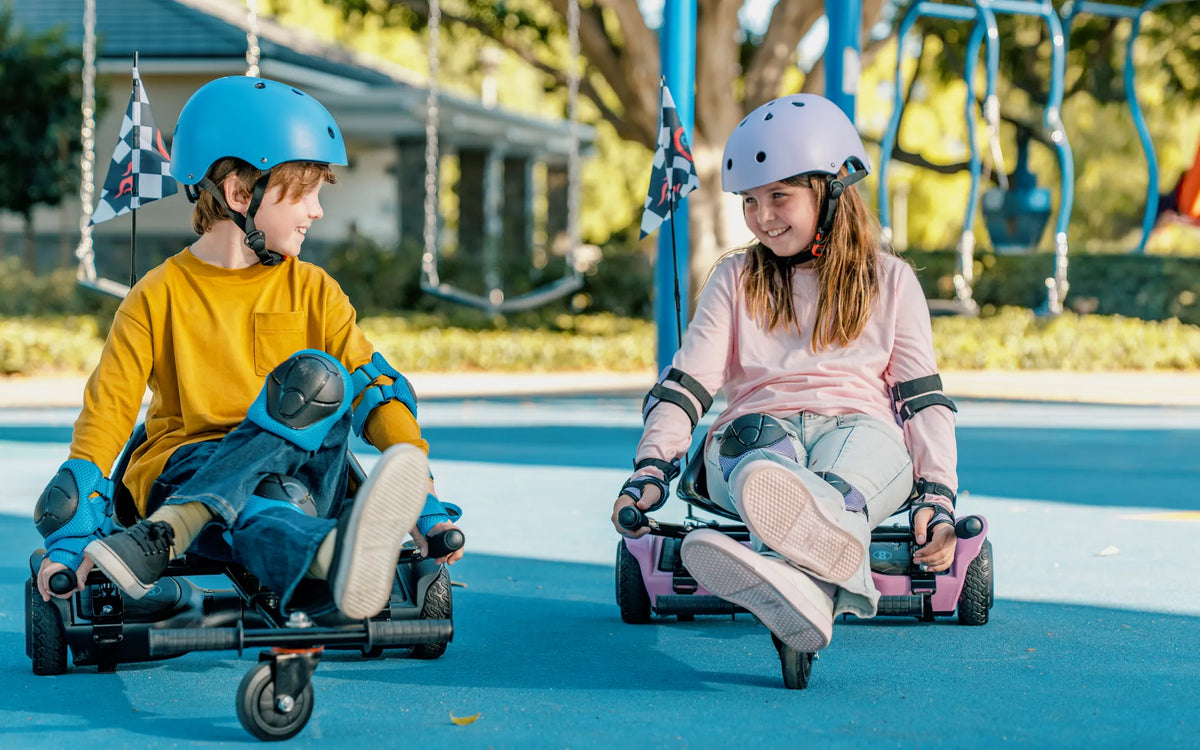
A properly fitted helmet is non-negotiable. Knee and elbow pads are highly recommended, especially for beginners. Wrist guards are also a great idea to protect against common falls.
Can the scooter be adjusted as my child grows?
Many quality scooters, like those from Gyroor, feature tool-free adjustable handlebars. This is a critical feature to look for, as it can extend the scooter's usable life by 2-3 years.
Conclusion: Investing in Fun, Development, and Confidence
Choosing the right baby scooter for kids is an investment in your child's physical development, independence, and joy. It’s about matching a well-engineered tool to their evolving abilities, ensuring every ride is safe, fun, and confidence-building. By prioritizing safety features, developmental stage, and durable construction from trusted brands, you secure more than a toy—you provide a platform for adventure and growth.
Ready to find a ride that combines safety, durability, and fun? Explore engineering designed for real riders. Browse the full Gyroor collection at gyruorboard.com for inspiration on what quality looks like in personal transport.
Can You Ride a Hoverboard on the Road? The Definitive Guide to Rules and Risks
Electric Power Scooter for Kids: The Ultimate Guide to Fun and Safety