

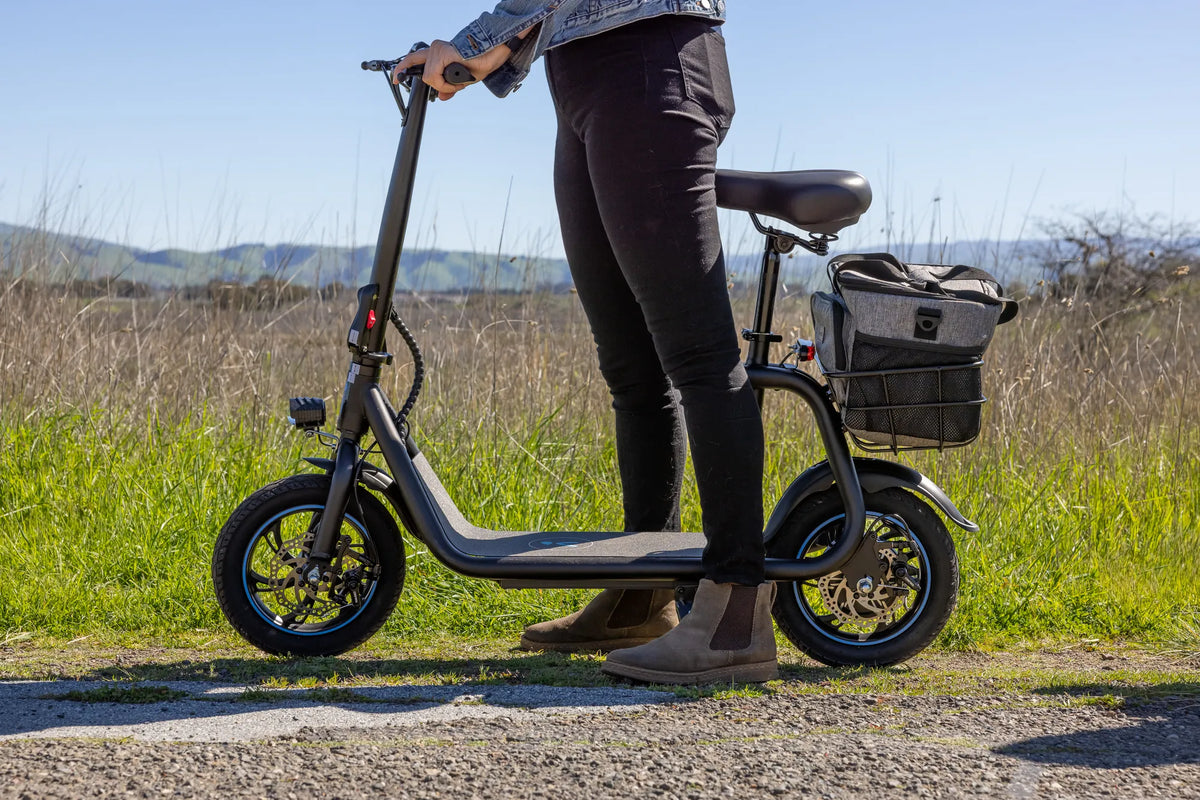
Imagine being stranded with a dead escooter battery and no charging station in sight. What if you could borrow power from another escooter to get back on the road? This unconventional yet practical solution could save you in a pinch. Here’s how to charge an escooter using another escooter safely and effectively.
Understanding the Basics
Before attempting to charge one escooter with another, it’s crucial to understand the fundamentals. Both escooters must have compatible voltage and charging systems. Most modern escooters operate on similar voltage ranges, but always check the specifications to avoid damage.
Safety Precautions
Safety should always come first when dealing with electrical components. Follow these precautions:
- Ensure both escooters are turned off before connecting them.
- Use high-quality cables designed for power transfer.
- Avoid exposing the connection to water or extreme temperatures.
- Monitor the charging process to prevent overheating.
Step-by-Step Guide
Follow these steps to charge your escooter using another escooter:
Step 1: Check Compatibility
Verify that both escooters have compatible voltage and charging ports. Mismatched voltages can damage the batteries or even pose a fire risk.
Step 2: Gather the Right Tools
You’ll need a compatible charging cable or adapter. Some escooters may require a specialized connector, so ensure you have the correct one.
Step 3: Connect the Escooters
Turn off both escooters. Connect the charging cable from the donor escooter’s output port to the recipient escooter’s input port. Double-check the connections to ensure they’re secure.
Step 4: Initiate the Transfer
Turn on the donor escooter and enable its power output mode if available. Some models may require a specific setting to allow power transfer.
Step 5: Monitor the Process
Keep an eye on both escooters during the charging process. Disconnect immediately if you notice any unusual behavior, such as overheating or strange noises.
Step 6: Disconnect and Test
Once the recipient escooter has sufficient charge, turn off both devices and disconnect the cable. Turn on the recipient escooter to verify the charge level.
Potential Challenges
While this method can be a lifesaver, it’s not without challenges:
- Not all escooters support power transfer.
- The charging process may be slower than using a wall charger.
- Repeated use of this method could strain the donor escooter’s battery.
Alternative Solutions
If charging from another escooter isn’t feasible, consider these alternatives:
- Carry a portable power bank designed for escooters.
- Plan your route to include charging stations.
- Invest in a high-capacity battery for longer rides.
Next time your escooter runs out of juice far from a charging station, remember this clever trick. With the right tools and precautions, you can harness the power of another escooter to keep moving. Stay charged, stay safe, and enjoy the ride!
Yellow eScooter: The Bright Future of Urban Mobility
Scooter Motorcycle: The Ultimate Guide to Choosing the Perfect Ride