

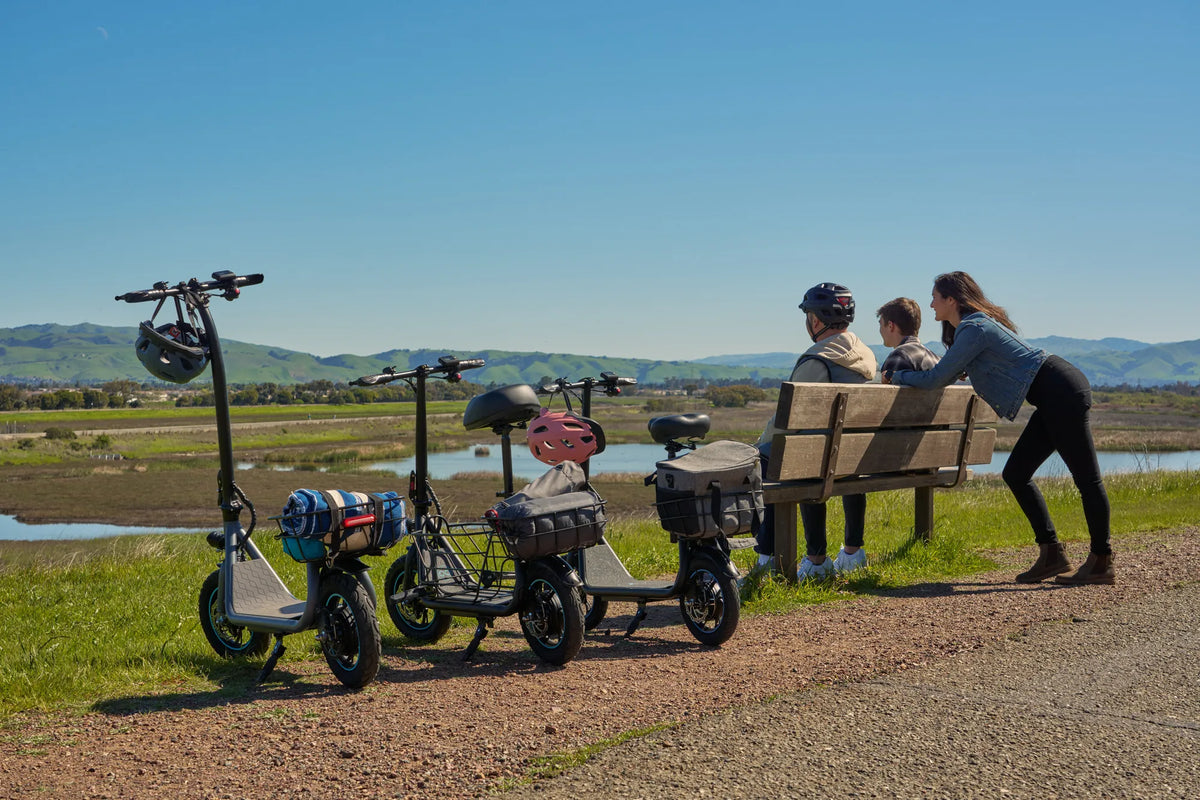
Imagine gliding through city streets effortlessly, bypassing traffic jams, and reducing your carbon footprint—all on a sleek, futuristic escooter. By 2025, these compact electric vehicles will no longer be a novelty but a cornerstone of urban transportation. With advancements in battery life, AI integration, and city-wide infrastructure, escooters are poised to transform how we navigate our cities. Let’s dive into the exciting innovations and trends that will define the escooter landscape in 2025.
The Rise of Smart Escooters
By 2025, escooters will evolve beyond simple last-mile solutions. Equipped with AI-powered navigation systems, these vehicles will optimize routes in real-time, avoiding congestion and hazards. Built-in sensors will enhance safety by detecting pedestrians, obstacles, and even weather conditions. Imagine an escooter that adjusts its speed automatically when it senses rain or slippery surfaces—this is the level of intelligence we can expect.
Battery and Charging Innovations
One of the biggest hurdles for escooters has been battery life and charging infrastructure. By 2025, solid-state batteries will likely dominate the market, offering faster charging times and longer ranges. Wireless charging pads embedded in sidewalks or bike lanes could eliminate the need for manual charging altogether. Picture docking your escooter at a designated spot, and it charges automatically while you grab a coffee.
Integration with Smart Cities
Escooters in 2025 won’t operate in isolation—they’ll be part of a connected urban ecosystem. Cities will deploy dedicated lanes, smart parking zones, and traffic signals that communicate directly with escooters. Data-sharing between riders, municipalities, and public transit systems will streamline commutes and reduce accidents. This seamless integration will make escooters a reliable alternative to cars and buses.
Sustainability and Eco-Friendly Design
As climate concerns grow, escooter manufacturers will prioritize sustainability. Lightweight, recyclable materials will replace traditional plastics, and solar-powered models could emerge. Some escooters might even feature regenerative braking systems to recapture energy. By 2025, choosing an escooter won’t just be about convenience—it’ll be a statement of environmental responsibility.
Regulations and Safety Standards
With great innovation comes the need for robust regulations. By 2025, governments worldwide will likely enforce stricter safety standards, including mandatory helmet laws, speed limits, and geofencing to restrict escooters in pedestrian-heavy areas. Advanced rider authentication systems, such as biometric scans, could prevent underage or unauthorized use, ensuring safer streets for everyone.
The Social Impact of Escooters
Escooters will do more than just transport people—they’ll reshape urban lifestyles. Shared mobility programs will expand, making escooters accessible to low-income communities. Reduced car dependency could lead to quieter, cleaner cities with more green spaces. In 2025, escooters might even become a symbol of urban renewal, bridging gaps in public transit and fostering community connectivity.
The escooter revolution is coming, and by 2025, these nimble vehicles will be at the heart of smarter, greener cities. Whether you’re a daily commuter or an eco-conscious adventurer, the future of urban mobility is rolling toward you—fast, efficient, and electrifying. Are you ready to hop on?
Escooter Codes: The Ultimate Guide to Understanding and Using Them
3000W E-Scooter: The Ultimate Guide to Power, Performance, and Practicality