

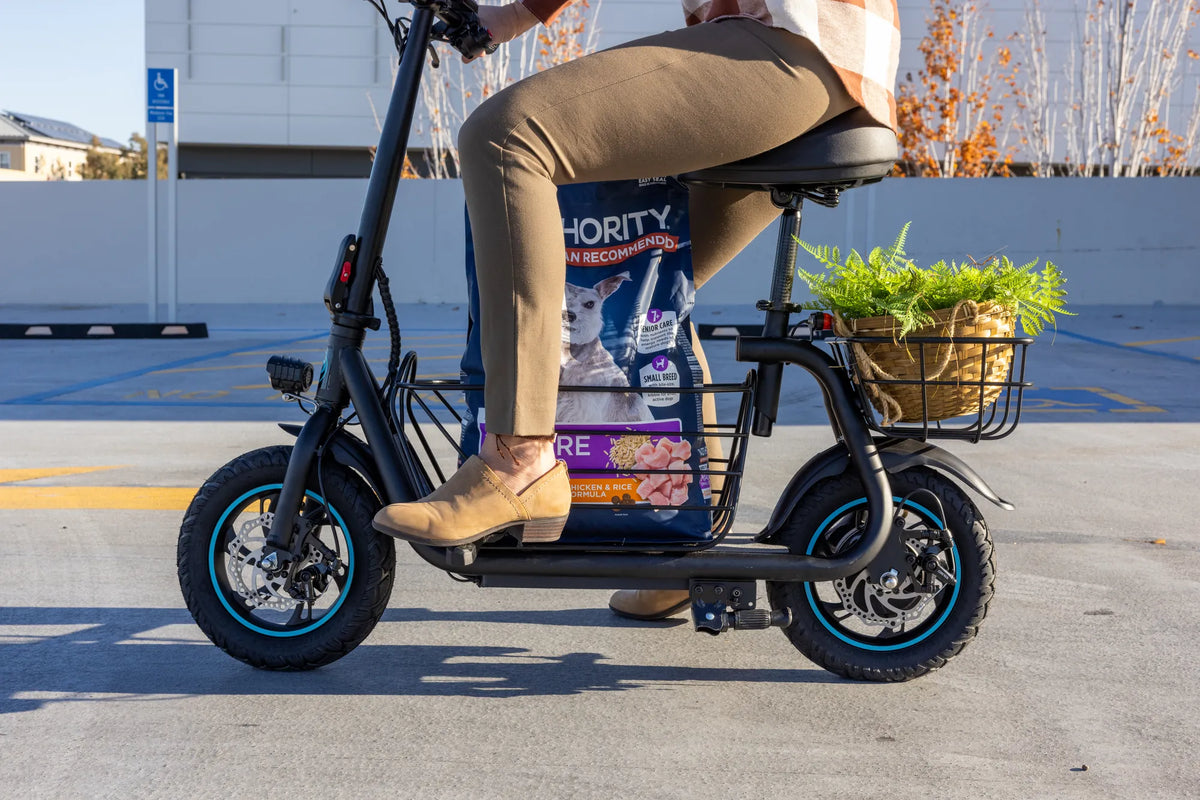
Imagine this: you’ve just plugged in your e-bike battery overnight, and the indicator shows a full charge. Excited to hit the road, you turn on your e-bike—only to find it completely unresponsive. Frustrating, right? A fully charged e-bike battery that refuses to work is a common issue, but the good news is that it’s often fixable. Let’s dive into the possible causes and solutions to get you rolling again.
Common Reasons Why Your E-Bike Battery Isn't Working
Before panicking, it’s important to understand the potential culprits behind a non-functional e-bike battery. Here are the most frequent issues:
- Faulty Battery Connections: Loose or corroded terminals can disrupt power flow.
- Battery Management System (BMS) Failure: The BMS regulates charging and discharging—if it fails, the battery may not deliver power.
- Voltage Drop or Imbalance: Individual cells may degrade, causing the battery to underperform despite showing a full charge.
- Software or Firmware Glitches: Some e-bike systems require updates or resets to function properly.
- Overheating or Extreme Temperatures: Batteries can shut down if exposed to excessive heat or cold.
How to Troubleshoot a Non-Working E-Bike Battery
Now that you know the likely causes, here’s a step-by-step guide to diagnosing and fixing the problem.
1. Check the Battery Connections
Start by inspecting the battery terminals and connectors. Ensure they are clean, tight, and free of corrosion. A simple wipe with a dry cloth or a gentle brush can often restore connectivity.
2. Test the Battery Voltage
Use a multimeter to measure the battery’s voltage. A fully charged e-bike battery should read close to its rated voltage (e.g., 36V, 48V, etc.). If the voltage is significantly lower, the battery may need reconditioning or replacement.
3. Reset the Battery Management System (BMS)
Some e-bike batteries have a built-in reset function. Disconnect the battery from the bike, wait a few minutes, and reconnect it. This can sometimes resolve minor BMS issues.
4. Inspect for Physical Damage
Look for signs of swelling, leaks, or cracks in the battery casing. Physical damage often indicates internal cell failure, requiring professional repair or replacement.
5. Update or Reset the E-Bike’s Firmware
If your e-bike has a display or controller with software, check for firmware updates. A reset might also resolve communication errors between the battery and the bike.
Preventative Measures to Avoid Future Issues
To keep your e-bike battery in top shape, follow these best practices:
- Avoid Overcharging: Unplug the battery once it’s fully charged to prevent stress on the cells.
- Store Properly: Keep the battery in a cool, dry place, away from extreme temperatures.
- Regular Maintenance: Clean terminals periodically and check for wear and tear.
- Use the Right Charger: Always use the manufacturer-recommended charger to avoid compatibility issues.
When to Seek Professional Help
If you’ve tried all the troubleshooting steps and your e-bike battery still won’t work, it’s time to consult a professional. A certified technician can diagnose deeper issues like cell failure or internal wiring problems.
Don’t let a seemingly dead e-bike battery ruin your ride. With the right knowledge and a bit of patience, you can often revive it—or at least identify the next steps to get back on the road. Happy cycling!
Ebike Specialized: The Future of Urban and Off-Road Cycling
Ebike Motor Kit: The Ultimate Guide to Upgrading Your Ride