

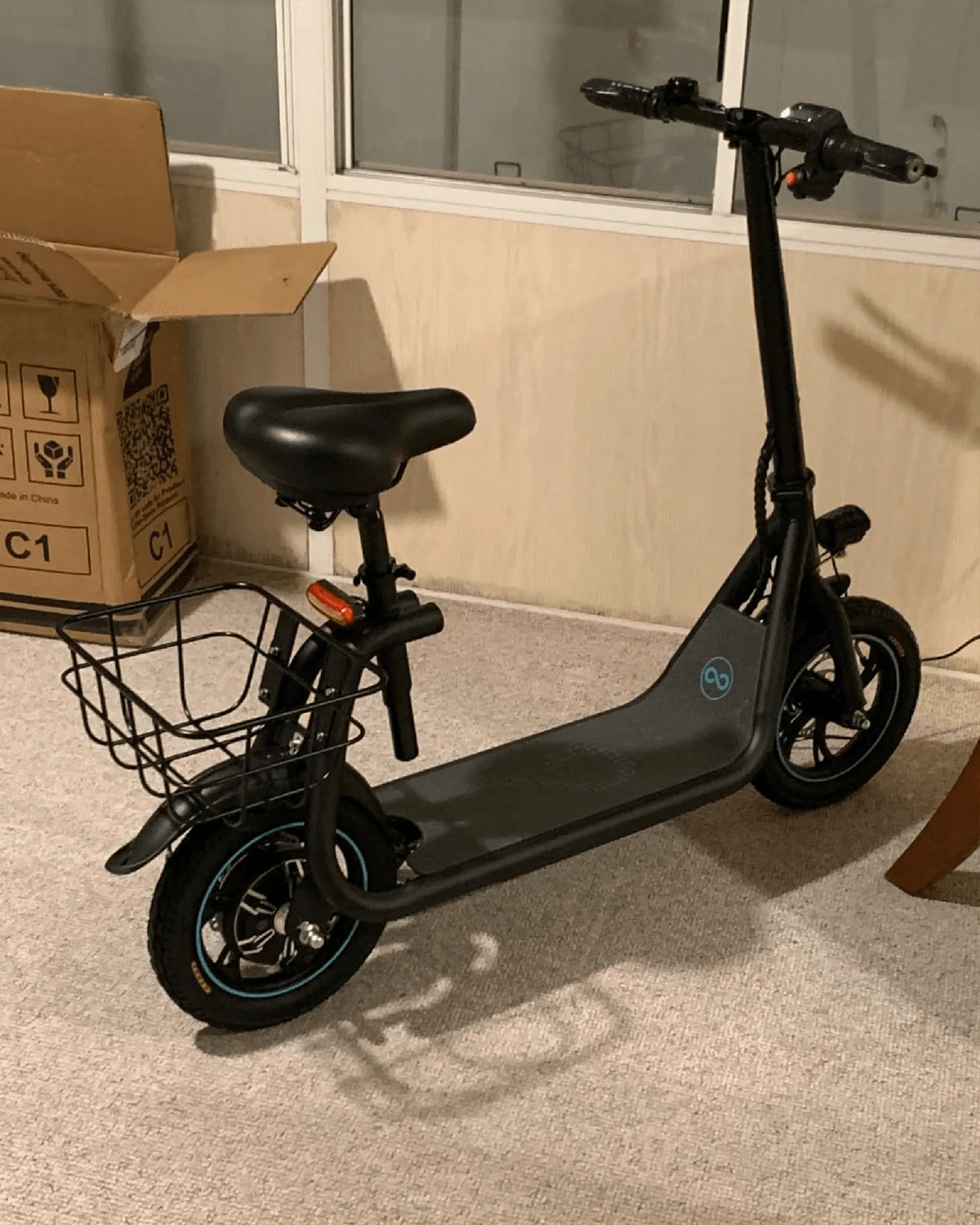
Electric bikes are revolutionizing urban transportation, offering an eco-friendly and efficient way to commute. But before you hop on one, you might be wondering: Is an electric bike legal? The answer isn’t always straightforward, as laws vary by region. Let’s dive into the regulations to ensure you stay on the right side of the law.
Understanding Electric Bike Classifications
Electric bikes are typically categorized into three classes, each with different legal requirements:
- Class 1: Pedal-assist only, with no throttle, and a maximum speed of 20 mph.
- Class 2: Throttle-assisted, with a maximum speed of 20 mph.
- Class 3: Pedal-assist only, with a maximum speed of 28 mph.
These classifications help determine where and how e-bikes can be used legally. Always check local laws to confirm which classes are permitted in your area.
Where Can You Ride an Electric Bike?
Laws regarding where e-bikes are allowed vary widely:
- Bike Lanes: Most regions allow Class 1 and 2 e-bikes in bike lanes.
- Roads: Class 3 e-bikes may require riders to follow motorcycle regulations in some areas.
- Trails: Off-road trails often have restrictions, especially for throttle-assisted models.
Always verify local regulations before riding on public paths or roads to avoid fines or penalties.
Do You Need a License or Registration?
In most cases, electric bikes that meet specific criteria do not require a license or registration:
- If the bike has a motor under 750 watts and a top speed of 20 mph, it’s usually exempt.
- Some regions may require helmets or age restrictions for certain classes.
However, laws can change, so it’s best to consult local transportation authorities for the latest updates.
Speed Limits and Safety Considerations
Speed is a major factor in e-bike legality:
- Exceeding the designated speed limit may reclassify your e-bike as a motor vehicle.
- Some areas impose stricter limits for off-road or shared pathways.
Riding responsibly not only keeps you legal but also ensures safety for yourself and others.
International Variations in E-Bike Laws
Electric bike regulations differ globally:
- In the EU, e-bikes are limited to 25 km/h (15.5 mph) for pedal-assist models.
- Some Asian countries treat e-bikes similarly to mopeds, requiring registration.
If you plan to ride abroad, research the local laws to avoid legal issues.
Electric bikes offer a fantastic way to reduce your carbon footprint while enjoying the freedom of two wheels. By understanding the legal landscape, you can ride confidently and avoid unnecessary hassles. Whether you’re commuting or exploring, knowing the rules ensures a smooth and enjoyable journey.
Electric Mountain Bike Cost: What You Need to Know Before Buying
Electric Mountain Bike Cost: What You Need to Know Before Buying