

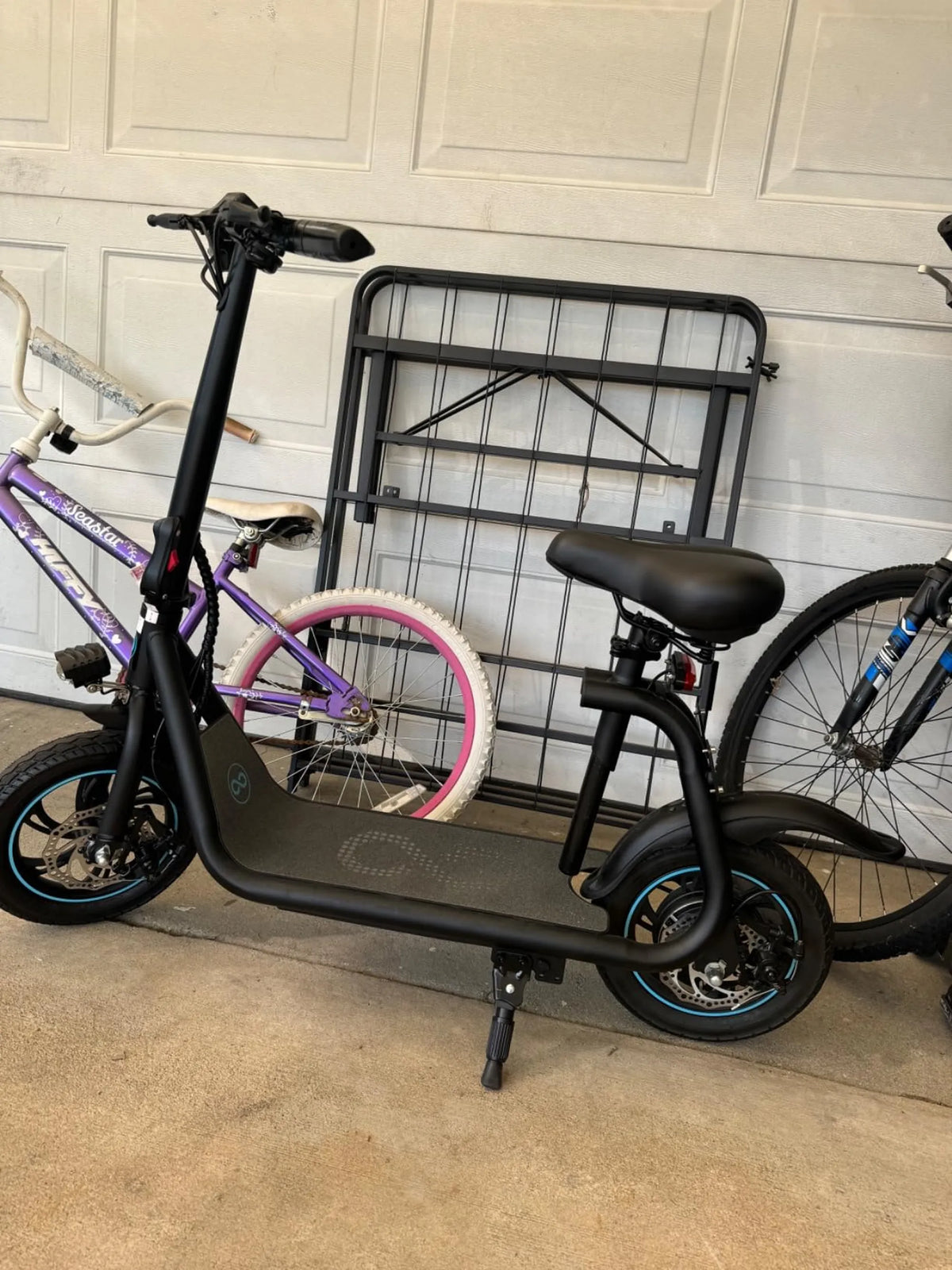
Electric scooters have become a popular mode of transportation, offering convenience and eco-friendly travel. However, like any vehicle, they require proper maintenance, especially when it comes to the tyres. The inner tube is a critical component that ensures a smooth and safe ride. Whether you're a seasoned rider or a beginner, understanding the ins and outs of electric scooter tyre inner tubes can save you time, money, and frustration.
What Is an Electric Scooter Tyre Inner Tube?
The inner tube is a flexible, airtight container that sits inside the tyre and holds the air pressure. It is typically made of rubber or synthetic materials and is designed to withstand the weight of the rider and the scooter. Without a properly functioning inner tube, your electric scooter's performance and safety can be compromised.
Types of Inner Tubes for Electric Scooters
There are several types of inner tubes available, each suited for different riding conditions and scooter models. The most common types include:
- Standard Inner Tubes: These are the most common and are suitable for everyday use.
- Thorn-Resistant Inner Tubes: Designed to reduce the risk of punctures from sharp objects.
- Self-Sealing Inner Tubes: These contain a sealant that automatically repairs small punctures.
- High-Pressure Inner Tubes: Ideal for riders who prefer a firmer ride and better speed.
How to Choose the Right Inner Tube
Selecting the right inner tube for your electric scooter involves considering several factors:
- Tyre Size: Ensure the inner tube matches the size of your tyre, typically indicated on the sidewall.
- Valve Type: Common valve types include Schrader and Presta. Check which one your scooter requires.
- Riding Conditions: If you frequently ride on rough terrain, a thorn-resistant or self-sealing tube may be beneficial.
Maintaining Your Electric Scooter Tyre Inner Tube
Proper maintenance can extend the life of your inner tube and prevent unexpected issues. Here are some tips:
- Check Air Pressure Regularly: Underinflated or overinflated tubes can lead to poor performance or blowouts.
- Inspect for Damage: Look for signs of wear, punctures, or leaks before and after rides.
- Keep Tyres Clean: Dirt and debris can cause abrasions or punctures over time.
Common Issues and Troubleshooting
Even with proper care, inner tubes can encounter problems. Here are some common issues and how to address them:
- Slow Leaks: Often caused by small punctures or valve issues. Submerge the tube in water to locate bubbles and identify the leak.
- Blowouts: Usually due to overinflation or excessive wear. Replace the tube immediately if this occurs.
- Pinch Flats: Caused by the tube getting pinched between the tyre and rim. Ensure proper installation to avoid this.
Replacing an Electric Scooter Tyre Inner Tube
If your inner tube is beyond repair, replacing it is a straightforward process. Follow these steps:
- Deflate the tyre completely and remove it from the wheel.
- Carefully remove the old inner tube, taking note of its position.
- Insert the new inner tube, ensuring it sits evenly inside the tyre.
- Reinstall the tyre and inflate it to the recommended pressure.
Tips for Preventing Inner Tube Problems
Prevention is always better than cure. Here are some ways to keep your inner tube in top condition:
- Avoid Overloading: Exceeding the weight limit can strain the inner tube.
- Use Tyre Liners: These add an extra layer of protection against punctures.
- Ride on Smooth Surfaces: Rough terrain increases the risk of damage.
Your electric scooter's inner tube plays a vital role in ensuring a comfortable and safe ride. By understanding its function, choosing the right type, and maintaining it properly, you can enjoy hassle-free journeys for miles to come. Ready to hit the road with confidence? Keep these tips in mind and ride on!
Small Folding Electric Bike for Adults: The Ultimate Urban Commuting Solution
Cool Electric Bike Accessories to Enhance Your Ride