

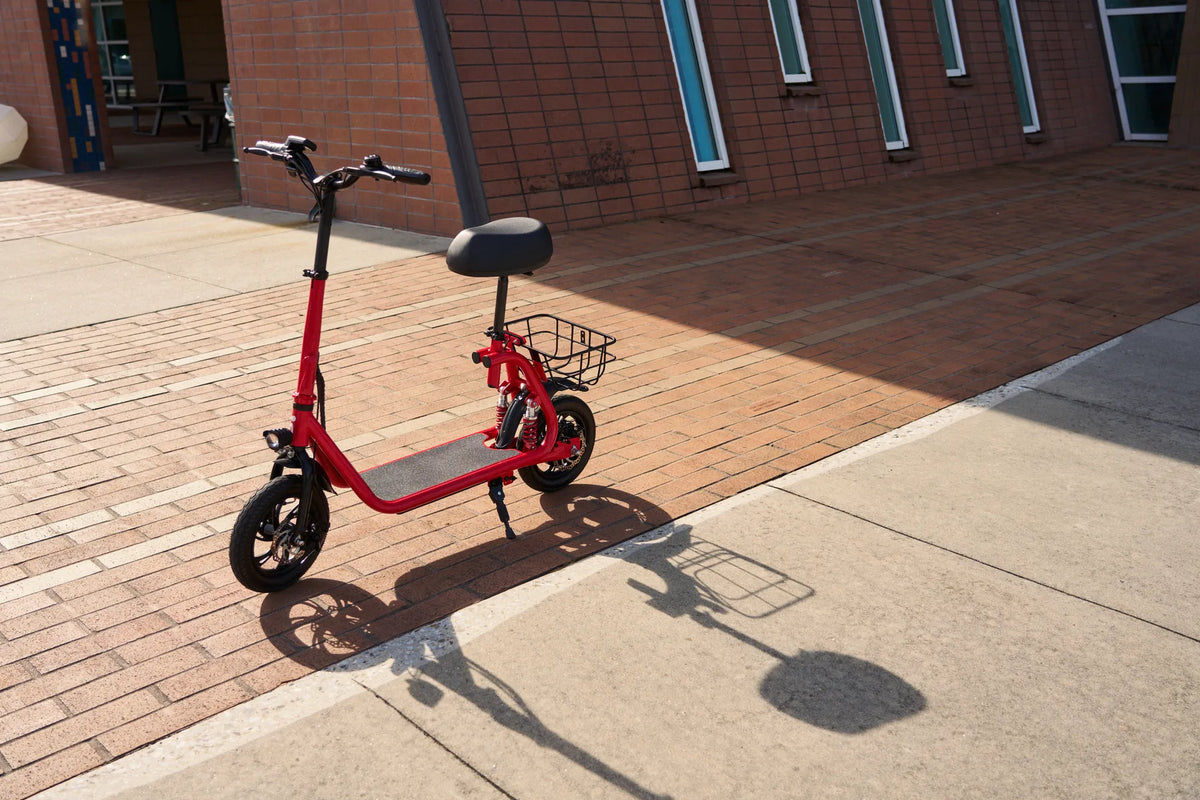
Electric bikes are revolutionizing urban transportation, offering a convenient and eco-friendly alternative to cars. But as their popularity soars, one question remains hotly debated: do you have to wear a helmet when riding an electric bike? The answer isn’t as straightforward as you might think. Whether you’re a daily commuter or a weekend adventurer, understanding helmet laws could mean the difference between a safe ride and a costly fine—or worse.
The Legal Landscape of Electric Bike Helmet Laws
Helmet regulations for electric bikes vary widely depending on where you live. In some regions, helmets are mandatory for all riders, while others only require them for certain age groups or specific types of e-bikes. Here’s a breakdown of how different jurisdictions handle helmet laws:
- United States: Laws differ by state. Some, like California, require helmets for riders under 18, while others, like New York, mandate them for all e-bike riders regardless of age.
- European Union: Many EU countries classify e-bikes similarly to traditional bicycles, meaning helmets are often recommended but not legally required.
- Australia and Canada: These countries tend to have stricter regulations, with helmets mandatory for all e-bike riders in most provinces and territories.
Before hitting the road, always check your local laws to avoid penalties. Ignorance of the law is rarely a valid excuse—and your safety could depend on it.
Why Wearing a Helmet Matters
Even if your local laws don’t require a helmet, wearing one is a smart choice. Electric bikes can reach speeds of 20-28 mph (32-45 km/h), and accidents at these speeds can be devastating. Consider these sobering statistics:
- Head injuries account for over 60% of bicycle-related fatalities.
- Helmets reduce the risk of severe brain injury by up to 74%.
- Many e-bike accidents occur during short trips at low speeds, debunking the myth that helmets are only necessary for high-speed rides.
A helmet is your last line of defense in a crash. Would you gamble with your life to skip a minor inconvenience?
Debunking Common Helmet Myths
Despite overwhelming evidence supporting helmet use, misconceptions persist. Let’s set the record straight:
Myth 1: "Helmets Are Uncomfortable and Restrictive"
Modern helmet designs prioritize comfort and ventilation. Many models are lightweight, adjustable, and barely noticeable once you start riding.
Myth 2: "I’m Just Riding Slowly—I Don’t Need One"
Most serious bike accidents happen at speeds under 20 mph. Even a minor fall can cause traumatic brain injuries if your head hits the pavement.
Myth 3: "Helmets Mess Up My Hair"
While helmets might leave temporary hat hair, it’s a small price to pay compared to permanent brain damage. Carry a comb or embrace the windblown look!
Choosing the Right Helmet for Electric Bike Riding
Not all helmets are created equal. When selecting one for e-bike use, consider these factors:
- Certification: Look for helmets meeting CPSC, EN 1078, or other recognized safety standards.
- Fit: The helmet should sit level on your head and snug without being uncomfortably tight.
- Visibility: Bright colors or reflective elements help drivers see you.
- Ventilation: Adequate airflow prevents overheating during longer rides.
Remember—a properly fitted helmet that meets safety standards could save your life.
What Happens If You Don’t Wear a Helmet?
The consequences of skipping a helmet extend beyond legal penalties. Consider these potential outcomes:
- Legal fines: In areas with mandatory helmet laws, you could face citations ranging from $25 to $200 or more.
- Insurance complications: Some insurers may deny claims for head injuries if you weren’t wearing a helmet.
- Life-altering injuries: A single accident could result in permanent disability or death.
Is saving a few seconds of convenience worth these risks?
Expert Recommendations for E-Bike Safety
Safety organizations universally recommend helmet use for electric bike riders. Here’s what the experts say:
- The National Transportation Safety Board (NTSB) advocates for universal helmet laws for all e-bike riders.
- The European Cyclists’ Federation emphasizes that helmets significantly reduce injury severity.
- Medical professionals report that helmeted riders have better outcomes after accidents.
When experts across multiple fields agree on a safety measure, it’s worth paying attention.
The Future of E-Bike Helmet Regulations
As electric bikes become more prevalent, helmet laws will likely evolve. Some trends to watch:
- More jurisdictions may implement mandatory helmet laws as e-bike adoption increases.
- Helmet technology will continue advancing, with innovations like built-in lights and crash sensors.
- Rental e-bike companies may start including helmets with rentals to reduce liability.
Staying informed about these changes will help you ride safely and legally as the landscape shifts.
The choice to wear a helmet ultimately comes down to personal responsibility. Whether your local laws require one or not, strapping on a helmet before every ride is one of the simplest ways to protect yourself. In a split second, everything can change—don’t let a preventable head injury be your story. Your future self will thank you for making the smart choice every time you ride.
12V Battery for Razor Dirt Bike: The Ultimate Power Solution for Young Riders
Specialized Electric Bike Highest Pedal-Assist Power Output 2025: The Future of E-Biking