

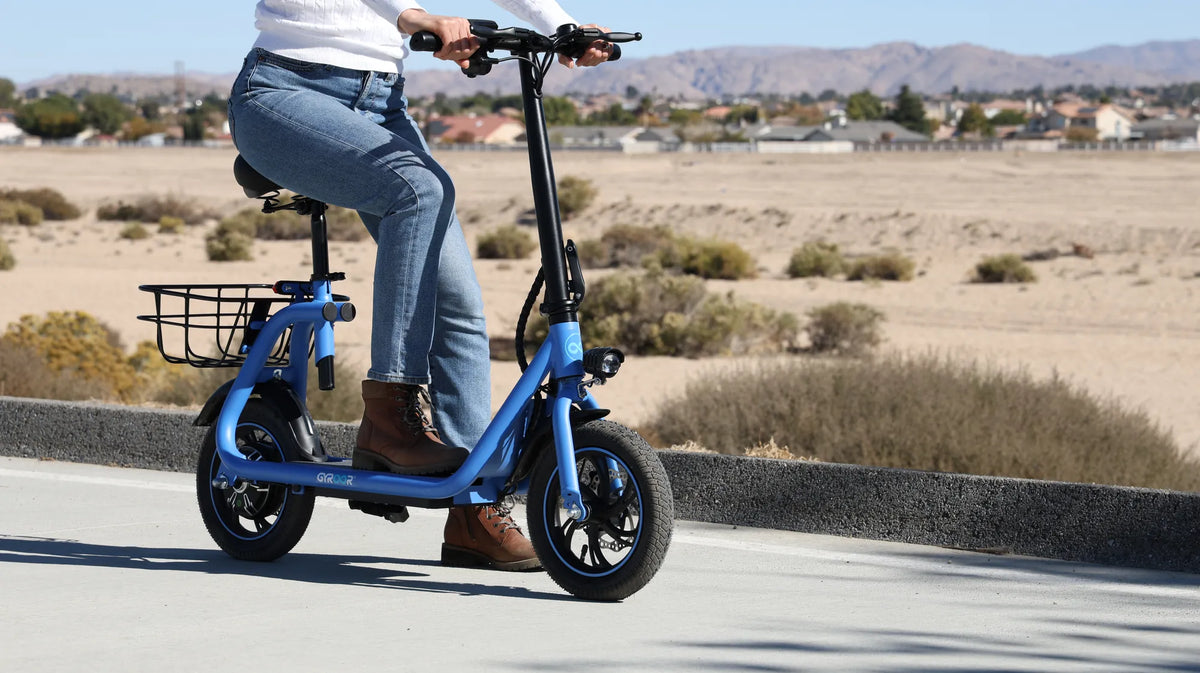
As winter approaches, many e-scooter riders wonder: can an e-scooter get really cold? The answer is yes—cold temperatures can significantly impact your electric scooter's performance, battery life, and overall durability. Whether you're a daily commuter or a casual rider, understanding how cold weather affects your e-scooter is crucial for maintaining its longevity and ensuring a safe ride.
How Cold Weather Affects E-Scooter Batteries
One of the most noticeable effects of cold weather on e-scooters is reduced battery efficiency. Lithium-ion batteries, commonly used in e-scooters, are sensitive to temperature fluctuations. When temperatures drop below freezing, the chemical reactions inside the battery slow down, leading to:
- Shorter ride times due to decreased battery capacity
- Slower charging speeds
- Potential voltage drops, causing sudden power loss
To mitigate these issues, store your e-scooter indoors when not in use and allow the battery to warm up before riding in cold conditions.
Cold Weather and Tire Performance
Just like car tires, e-scooter tires are affected by cold weather. Lower temperatures can cause:
- Reduced tire pressure, leading to a rougher ride
- Hardened rubber, decreasing traction on icy or wet surfaces
- Increased risk of punctures due to brittle materials
Regularly check tire pressure during winter months and consider using puncture-resistant tires for added safety.
Electronic Components in Freezing Conditions
Extreme cold can also affect your e-scooter's electronic components, including:
- Display screens becoming sluggish or unresponsive
- Connectors and wiring becoming brittle
- Motor performance decreasing due to thickened lubricants
To protect these components, avoid leaving your e-scooter outside for extended periods in freezing weather.
Winter Riding Safety Tips
Riding an e-scooter in cold weather requires extra precautions:
- Dress warmly with windproof layers
- Wear gloves to maintain grip on cold handlebars
- Reduce speed and increase braking distance on slippery surfaces
- Avoid riding through snow or slush when possible
Proper Winter Storage for E-Scooters
If you plan to store your e-scooter during winter months, follow these steps:
- Charge the battery to about 50-60% before storage
- Store in a dry, temperature-controlled environment
- Check the battery monthly and recharge if necessary
- Clean and dry the scooter thoroughly before storage
Can Extreme Cold Damage an E-Scooter Permanently?
While occasional cold weather rides won't necessarily ruin your e-scooter, prolonged exposure to freezing temperatures can cause:
- Battery degradation over time
- Cracked plastic components from repeated contraction and expansion
- Corrosion in metal parts from road salt and moisture
Taking preventive measures can help extend your e-scooter's lifespan through winter seasons.
Don't let winter weather put the brakes on your e-scooter adventures! By understanding how cold affects your ride and taking simple precautions, you can keep scooting all season long while protecting your investment. Remember—a little extra care during chilly months goes a long way in ensuring your e-scooter stays reliable when temperatures rise again.
Electric Scooter India 120 km Range: The Future of Urban Commuting
What's a Safe Speed for E-Scooter? Essential Tips for Riders